


When sourcing sustainable customized promotional items, often called company swag, one of the most common questions is whether to go with recycled materials or certified organic ones. Both carry genuine environmental value, but they serve different purposes, come with different certifications, and send different signals to recipients. This guide breaks down the real differences between recycled and certified organic materials, explains when each approach makes more sense, and highlights specific products to help you put your values into action.
Recycled vs. Organic: Why the Distinction Matters
When a potential client asks for "sustainable" branded promotional items, the word sustainable is doing a lot of work. Two products can both carry eco-friendly claims and still represent fundamentally different supply-chain choices. Recycled materials reduce demand for virgin resource extraction and divert waste from landfills and oceans. Certified organic materials eliminate synthetic pesticides and fertilizers at the growing stage, protecting soil health, biodiversity, and the workers who farm those crops.
Neither is categorically "better." The right choice depends on your organization's sustainability commitments, the product category, the audience receiving the items, and the certification infrastructure you want to stand behind. Understanding these differences positions your procurement decisions as intentional rather than incidental, and it gives your ESG reporting team something concrete to document.
At Ethical Swag, every product in our catalog goes through third-party supplier audits on social compliance and environmental impact. Our Good/Better/Best framework makes it easy to see at a glance which tier a product sits in, so you can align selections with your sustainability reporting goals.
What "Recycled Materials" Actually Means in Branded Promotional Items
The term recycled covers a wide spectrum. Post-consumer recycled (PCR) content refers to materials recovered after a product has reached the end of its consumer life: plastic bottles, discarded textiles, ocean-bound plastic, or reclaimed paper fibers. Post-industrial recycled content, by contrast, is manufacturing waste that never reached a consumer, such as fabric cuttings or off-spec plastic pellets.
For promotional products, the most common recycled materials you will encounter are recycled polyester (often abbreviated rPET, derived from PET plastic bottles), recycled cotton (often blended from textile offcuts), and FSC-certified recycled paper or board. Each of these has third-party certification pathways: the Global Recycled Standard (GRS) and Recycled Claim Standard (RCS) are the most widely recognized for recycled content across textiles and hard goods.
Why does this matter for your program? Products made with verified recycled content give your organization a quantifiable impact story. Many suppliers can report the number of plastic bottles diverted per unit, making these items especially compelling for ESG disclosures and employee communications. They tend to perform well across a wide range of product categories, from bags and apparel to notebooks and office accessories.
Explore our full blog library for guides on supplier certifications and sustainable sourcing.
Recycled Material Products to Consider
The following customized promotional items are made with recycled materials and connect directly to common program goals around waste reduction and circular economy commitments.
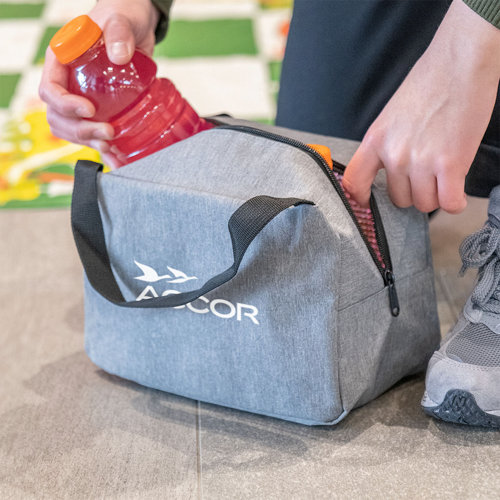
Built from recycled polyester (300D), the Urban Cooler Bag demonstrates that choosing recycled materials does not require sacrificing practicality. It holds up to 8 cans, features an insulated silver foil interior, and includes a durable carrying strap, making it a functional branded gift that reinforces your organization's commitment to diverting plastic waste. For programs prioritizing circular economy messaging, this bag lets recipients carry that story every time they bring it to a picnic, lunch, or commute.
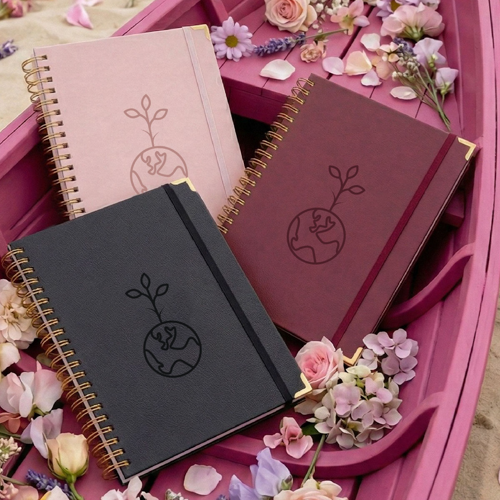
The Gilded Ledger features a recycled polyurethane cover paired with FSC-certified paper pages, making it a strong choice for organizations that need to address multiple material streams within a single product. FSC certification verifies that the paper inside comes from responsibly managed forests or certified recycled sources. For procurement teams building an onboarding kit or executive branded gift set with a focus on responsible sourcing from raw material to finished product, this notebook covers both bases.
Wildflower Pop Bombs are a Made in Canada, Certified B Corporation product featuring seed-embedded materials that return entirely to the earth after use. Where most recycled material products close the loop on industrial waste, these go one step further by converting the product itself into a living contribution to pollinator habitats. For event giveaways or environmental initiative launches where you want recipients to experience your brand values tangibly, Pop Bombs are a standout option that bridges recycled materials with regenerative impact.

Rocketbook Reusable Smart Notebook Set
Reusability is its own form of waste reduction, and the Rocketbook Reusable Smart Notebook Set makes that case compellingly. Pages wipe clean and can be used hundreds of times, eliminating the paper consumption associated with conventional notebooks across the life of the product. For tech-forward teams, sustainability teams, or remote employees, the notebook integrates with cloud services so notes are captured digitally after each session. When evaluating recycled materials versus longevity, Rocketbook represents a third path: reducing consumption at the source through durable reuse.

What "Certified Organic" Means in the Context of Branded Promotional Items
Certified organic refers to agricultural raw materials grown without synthetic pesticides, herbicides, or genetically modified organisms, under standards verified by an accredited third party. In the context of promotional products, this most commonly applies to cotton, which is one of the most widely used fibers in branded apparel and accessories.
The two most recognized certifications for organic textiles are the Global Organic Textile Standard (GOTS) and the USDA National Organic Program (NOP). GOTS covers the entire textile production chain, from harvesting of raw fiber through responsible manufacturing. The Organic Content Standard (OCS) is another common certification that verifies organic material content but does not extend to processing conditions.
Why does organic certification matter beyond the growing stage? Conventional cotton farming is resource-intensive, relying heavily on synthetic inputs that affect soil biology and waterway health in producing regions. When your branded apparel is made with certified organic cotton, you are supporting farming practices that invest in long-term soil health, reduce chemical exposure for farmworkers, and minimize synthetic input runoff. For organizations with supply chain sustainability goals or those reporting against frameworks that track Scope 3 social and environmental impacts, certified organic inputs offer a concrete, audited claim.
Certified Organic Products to Consider
The following certified organic promotional products are well suited to organizations prioritizing agricultural supply chain transparency, GOTS or OCS-certified content, and branded gifts that reflect a commitment to farming practices that go beyond conventional standards.
Babe Ruth Organic Cotton Unstructured Baseball Hat
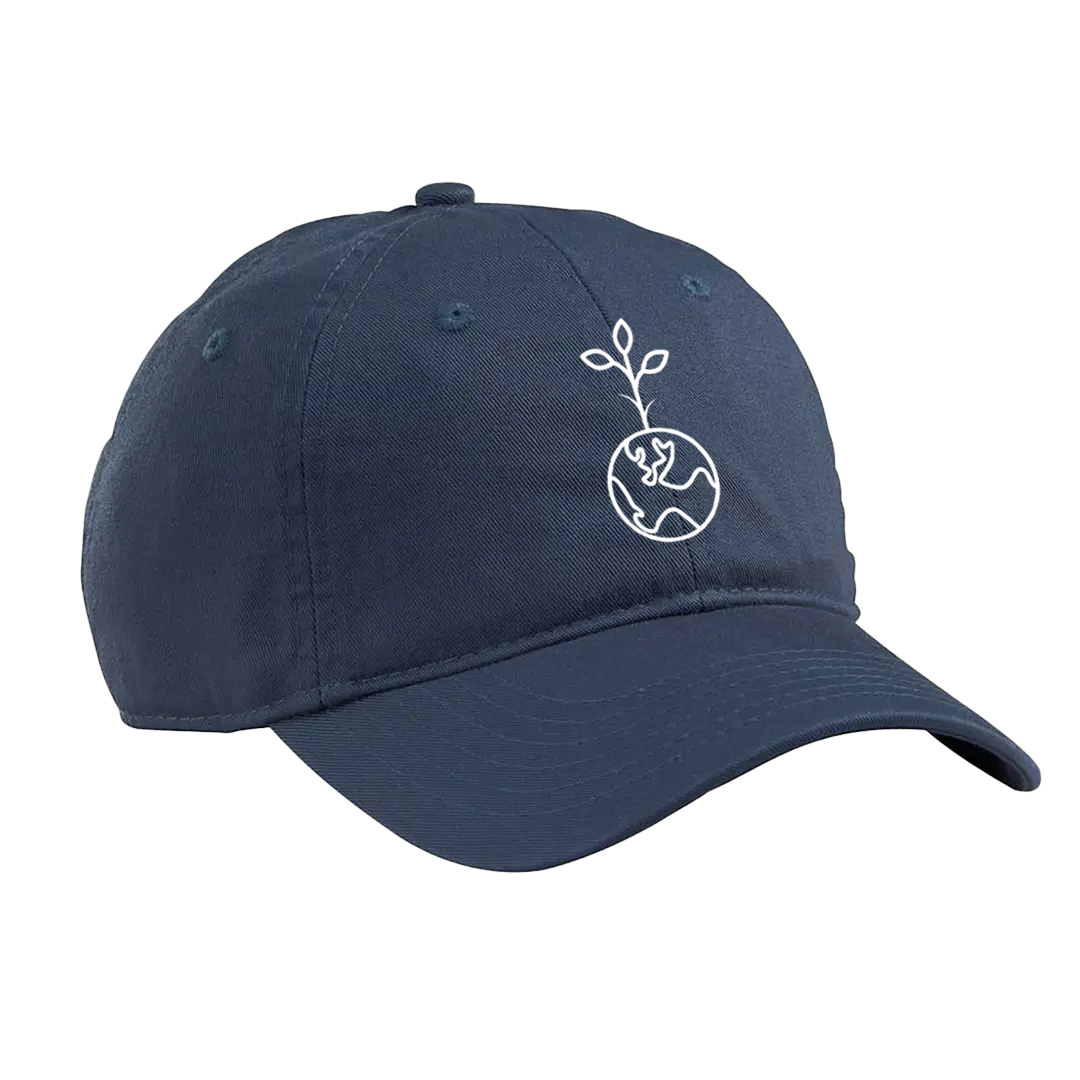
Headwear is one of the most visible branded items a recipient can wear, which makes the material story behind it worth telling. The Babe Ruth Organic Cotton Unstructured Baseball Hat is made with organic cotton and features a relaxed, unstructured profile that suits casual to semi-casual wear. For organizations building a sustainability-forward merch program or employee swag kit, this hat gives your brand visibility while communicating that the inputs behind it were grown without synthetic pesticides. The unstructured fit makes it a comfortable everyday wear choice that extends the life of the item and the frequency of your brand impression.
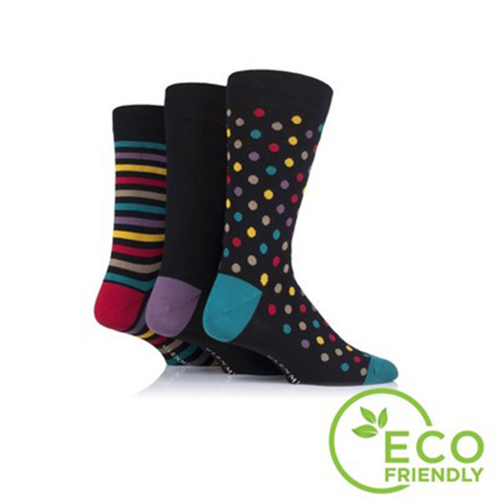
Socks are consistently among the highest-use branded items a recipient will keep, which makes the organic cotton distinction especially meaningful here. The Organic Mid-Calf Socks are woven with certified organic cotton threads and offer up to six imprint colors for bold, on-brand customization. They come with full-color header card or belly band packaging options, making them presentation-ready for branded gifts and swag packs. For every unit sold of this product, Ethical Swag reduces carbon emissions through clean cookstoves for a day, adding a give-back dimension that reinforces your program's values beyond the material choice alone.
USA Made Natural Lip Balm in a Tin
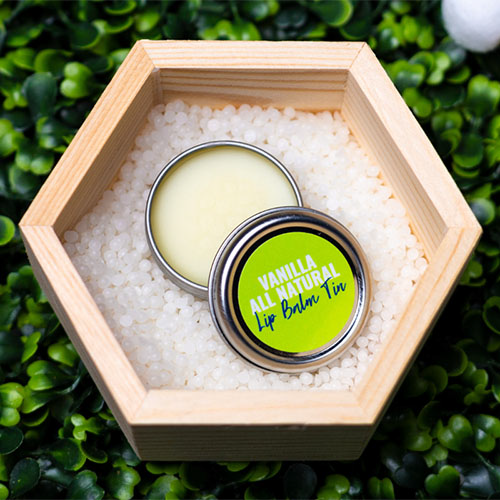
Made in the USA by a Certified B Corporation in an FDA-approved facility, this natural lip balm is formulated with organic sunflower oil and organic extra virgin olive oil alongside beeswax and aloe vera. It earns our Best tier rating, reflecting that it is made by a mission-driven company with a head office in North America and meaningful social impact commitments, including a 1 Percent for Honey Bees contribution. For wellness-focused swag packs, employee appreciation gifts, or event giveaways where recipients expect ingredient transparency, this item offers both certified organic inputs and a supply chain story that is fully traceable to a domestic B Corp manufacturer.
Regenerative Organic Essential Tee
The Regenerative Organic Essential Tee goes beyond standard certified organic cotton to embrace regenerative agriculture principles, which focus on rebuilding soil health and increasing biodiversity at the farm level. This unisex, heavier-weight tee is designed for durability and everyday wear, ensuring that your brand remains visible long after the initial gifting moment. For organizations that want their branded apparel to reflect the most advanced tier of organic material sourcing available, and for ESG programs that want to cite regenerative practices in their supply chain reporting, this tee represents a meaningful upgrade over conventional or even standard organic cotton garments.

How to Choose Between Recycled and Certified Organic for Your Program
The practical decision often comes down to four factors: product category, certification transparency, audience expectations, and program goals.
Product category is usually the first filter. Apparel and soft goods lend themselves naturally to organic certifications because the raw fiber story is traceable and meaningful to wearers. Hard goods, bags, and accessories are more typically suited to recycled content claims, since those product categories are manufactured from industrial materials where recycled inputs have a well-established certification ecosystem.
Certification transparency should drive your sourcing conversations. Ask your promotional products supplier which third-party certifications back the claims on each item. For recycled content, look for GRS or RCS certification. For organic textiles, look for GOTS, OCS, or USDA NOP. At Ethical Swag, our supplier compliance standards require third-party audits across social and environmental performance, and certification details are available on request.
Audience expectations matter, particularly for client-facing programs or items distributed at conferences and industry events. Recipients in sustainability, B2B procurement, HR, and ESG leadership roles increasingly recognize the difference between a product that is recycled and one that is certified organic, and they will often share that distinction internally. Choosing correctly for your audience strengthens the credibility of your program.
Finally, program goals shape the entire decision. If your organization is reporting against a framework that tracks waste diversion and circular economy contributions, recycled content items give you documented metrics. If your Scope 3 reporting includes upstream agricultural inputs or your social impact goals include support for responsible farming communities, certified organic material sourcing is the more meaningful choice.
How Ethical Swag Supports Your Sustainable Procurement Decisions
Ethical Swag is a B Corp certified, women-owned, promotional products distributor serving clients across Canada and the United States. Our Good/Better/Best product framework is designed to make material decisions transparent and actionable at the sourcing stage. Every product in our catalog reflects supplier compliance standards built around third-party social and environmental audits, so when you see a certification claim on a product page, it is backed by verification, not marketing language.
Our team supports sustainable procurement programs through UN SDG reporting alignment, multi-currency fulfillment in both CAD and USD, and services that include Swag Packs, kitting, Pick and Pack, Pop-Up Shops, and warehousing with real-time inventory dashboards. Whether you are building an onboarding kit anchored by certified organic apparel or sourcing recycled-material event giveaways for a sustainability conference, we can help you match the right products to the right goals.
Frequently Asked Questions
What is the difference between recycled and certified organic materials in branded promotional items?
Recycled materials are produced from post-consumer or post-industrial waste, reducing demand for virgin resource extraction and diverting materials from landfills. Certified organic materials come from crops grown without synthetic pesticides or GMOs under verified standards such as GOTS or OCS. Both carry genuine environmental value, but recycled materials address end-of-life waste, while organic certification addresses agricultural inputs and farming practices. The right choice depends on your program goals, product category, and the sustainability claims you need to substantiate.
Which certifications should I look for when sourcing recycled material promotional products?
The Global Recycled Standard (GRS) and Recycled Claim Standard (RCS) are the most widely recognized third-party certifications for recycled content across textiles and hard goods. For paper and wood-based products, FSC certification covers responsibly managed or recycled forest fiber. When speaking with a supplier, ask specifically which of these standards applies to the products you are sourcing, and whether the certification covers the full supply chain or only the material input.
Is certified organic cotton more sustainable than recycled polyester for branded apparel?
They serve different sustainability goals, so the comparison depends on what your program is trying to address. Certified organic cotton prioritizes upstream agricultural impact, including soil health, farmworker chemical exposure, and synthetic input reduction. Recycled polyester reduces plastic waste and lowers energy consumption compared to virgin polyester production.
For organizations reporting against supply chain agricultural standards, organic cotton is typically the stronger choice. For programs focused on waste diversion and circular economy metrics, recycled polyester makes a more direct contribution.
Can Ethical Swag help match products to specific ESG reporting frameworks?
Yes. Ethical Swag supports clients with UN SDG reporting alignment and can help identify products that map to specific sustainability criteria within common ESG frameworks. Our Good/Better/Best sourcing tiers are designed to make material and supplier decisions transparent, and certification details are available on request. We recommend starting with a swag project discovery call to align your product selections with your reporting goals before finalizing your program.
Does it cost significantly more to choose certified organic or verified recycled materials?
Cost premiums vary by product category and certification tier. In general, our Good tier offers cost-competitive products from suppliers who have passed third-party audits on social compliance and environmental performance. Better and Best tier products, which include sustainable material features and B Corp certified suppliers respectively, carry a modest premium that reflects the additional verification and supply chain investment. Many clients find that the premium is justified by the credibility it adds to their sustainability program communications and ESG reporting.
What is regenerative organic, and how does it differ from standard certified organic?
Regenerative organic goes beyond standard organic certification to actively focus on rebuilding soil health, increasing biodiversity, and improving the long-term resilience of agricultural land. While standard organic certification primarily restricts harmful inputs, regenerative organic practices are intended to restore ecosystems over time. Products sourced from regenerative organic supply chains represent the most advanced tier of organic material sourcing currently available for branded apparel and are best suited to organizations that want to reflect leading-edge sustainability practices in their procurement decisions.
Ready to Build a Branded Promotional Items Program Grounded in Verified Materials?
Whether your program calls for recycled content hard goods, certified organic apparel, or a mix of both, Ethical Swag can help you source with confidence. Our team works with organizations across North America to align branded promotional items with sustainability goals, reporting frameworks, and the values their recipients will recognize and respect.
Book a swag project discovery call at ethicalswag.com or reach out directly at
info@ethicalswag.com to get started.