


What actually gets used in a remote employee onboarding kit, and what quietly ends up in a drawer? This post draws on client feedback to identify the three product categories that consistently land with new hires, names the one item most companies include that almost nobody uses, and offers two ready-to-build kit options at $75 and $150 per person. Whether you are building your first remote welcome kit or rethinking one that is not landing, this is a practical guide to customized promotional items that remote employees will actually reach for.
Remote onboarding has become the norm for a significant portion of the workforce. The office welcome basket has been replaced by a box on a doorstep, and with it comes a new question: does any of this get used? We hear that from HR and People Ops teams regularly. They have invested in branded onboarding gifts, sometimes called company swag, and want to know whether they are making a real impression or just adding to the recycling pile.
The honest answer is: it depends almost entirely on what is in the box. Some customized promotional items become daily fixtures on a remote employee's desk. Others are appreciated once and never touched again. The difference is rarely about budget. It is about intentionality.
What We Actually Hear From Clients: Used vs. Unused
After supporting companies of all sizes on remote onboarding programs, certain patterns emerge consistently in client feedback.
The items that get the most use fit into the new hire's actual workday. A bottle on the desk every morning. A notebook that gets cracked open on day one. A laptop sleeve that earns a place in the daily bag because the employee actually moves around.
The items that end up in drawers tend to be ones that felt good to give but do not serve a real function in the new hire's daily life. Branded stress balls. Logoed pop sockets. Multi-packs of cheap pens. And one item that comes up more than any other in the 'what nobody used' category, which we address below.
There is also a subtler group: items that get used once and are then put away. Branded snacks fall here. Genuinely enjoyed, quickly gone, and not contributing to ongoing brand presence. They are fine to include as a nice touch, but they should not anchor a kit.
The Three Categories That Consistently Land
Across client feedback, three types of branded promotional items perform reliably well for remote onboarding:
1. Workspace Items
Remote employees are investing in their home offices in ways office workers rarely needed to. An item that makes their workspace more functional, more organized, or more comfortable earns a permanent place because it addresses a real need. Tech accessories, notebooks, and desk organizers all fit here. The requirement is utility: the item has to actually do something the employee needs done.
2. Hydration
A quality water bottle or insulated tumbler is one of the highest-retention items in any onboarding kit. Remote employees use them at their desks, take them to the kitchen, carry them to appointments. When the quality is there, the bottle becomes a daily companion. Budget matters here: a bottle that does not seal well or feels flimsy will quickly be replaced by a personal one.
3. Items That Feel Personal
This is the subtler category. New hires report feeling most connected to kit items that seem like someone thought about them as a person, not just as a recipient. A sleep mask. A lunch kit. Something that acknowledges life outside the laptop screen. These items signal that the company sees the whole employee, and that lands meaningfully in a remote context where connection takes deliberate effort.
The One Thing Most Companies Include That Nobody Uses
It is the branded lanyard.
Almost every remote onboarding kit we see includes one. It is a habit carried over from in-office welcome packages, where lanyards serve a clear purpose: they hold a badge. Remote employees do not have a badge. They do not have a building to enter. The lanyard ends up in a junk drawer within days of unboxing, often still in the packaging. The one exception is the AirTag Lanyard, which we cover in the kit sections below.
A Sample $75/Person Kit: Our Picks
At $75 per person, the goal is to cover the core categories with a few strong anchors rather than padding the box with extras. Here is how we would build it:
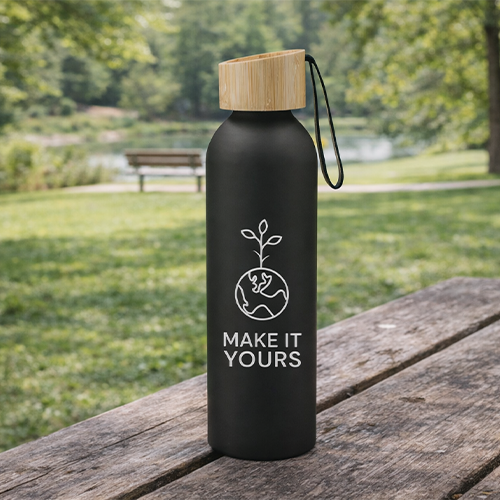
A quality insulated water bottle is the single best investment in any remote onboarding kit. Remote employees are at their desks for long stretches, and a bottle they reach for throughout the day keeps your brand visible in the most practical way possible. The Zenith Bottle is built for daily use, sitting as naturally on a home office desk as it would in any office environment. For a new hire setting up their workspace for the first time, this is the item that earns a permanent spot from day one.
Best Selling Notebook 5.5 x 8.5 Inch
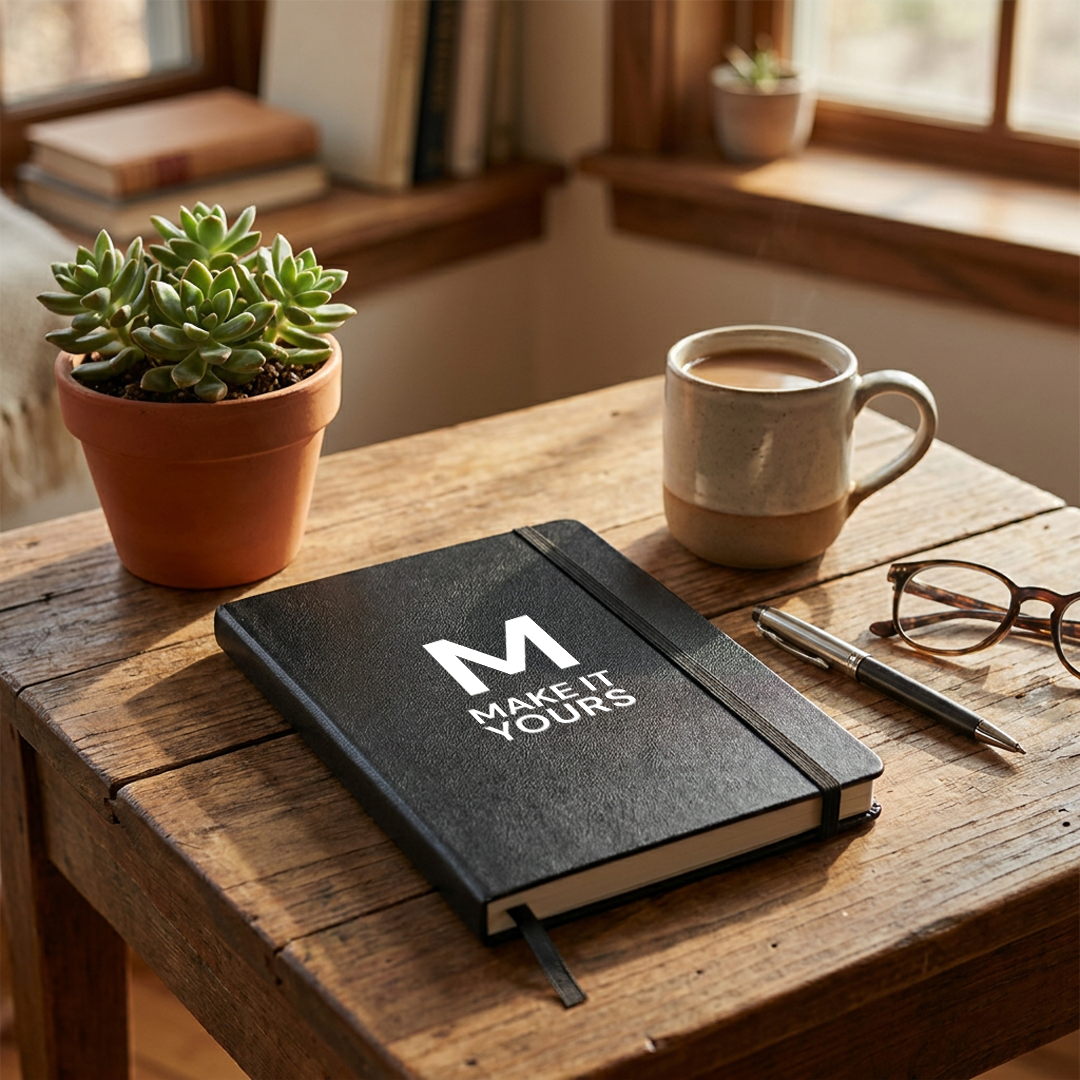
Day one is full of information, and a new hire's instinct is to write things down. Remote employees often rely on physical notes to stay organized without the ambient structure of an office around them. A clean, quality notebook signals that the company respects that process and invests in the tools that support it. This is a workspace anchor that gets regular use well beyond the first week.
Recycled Aluminum USB Hub with 4 ports - A & C Compatible
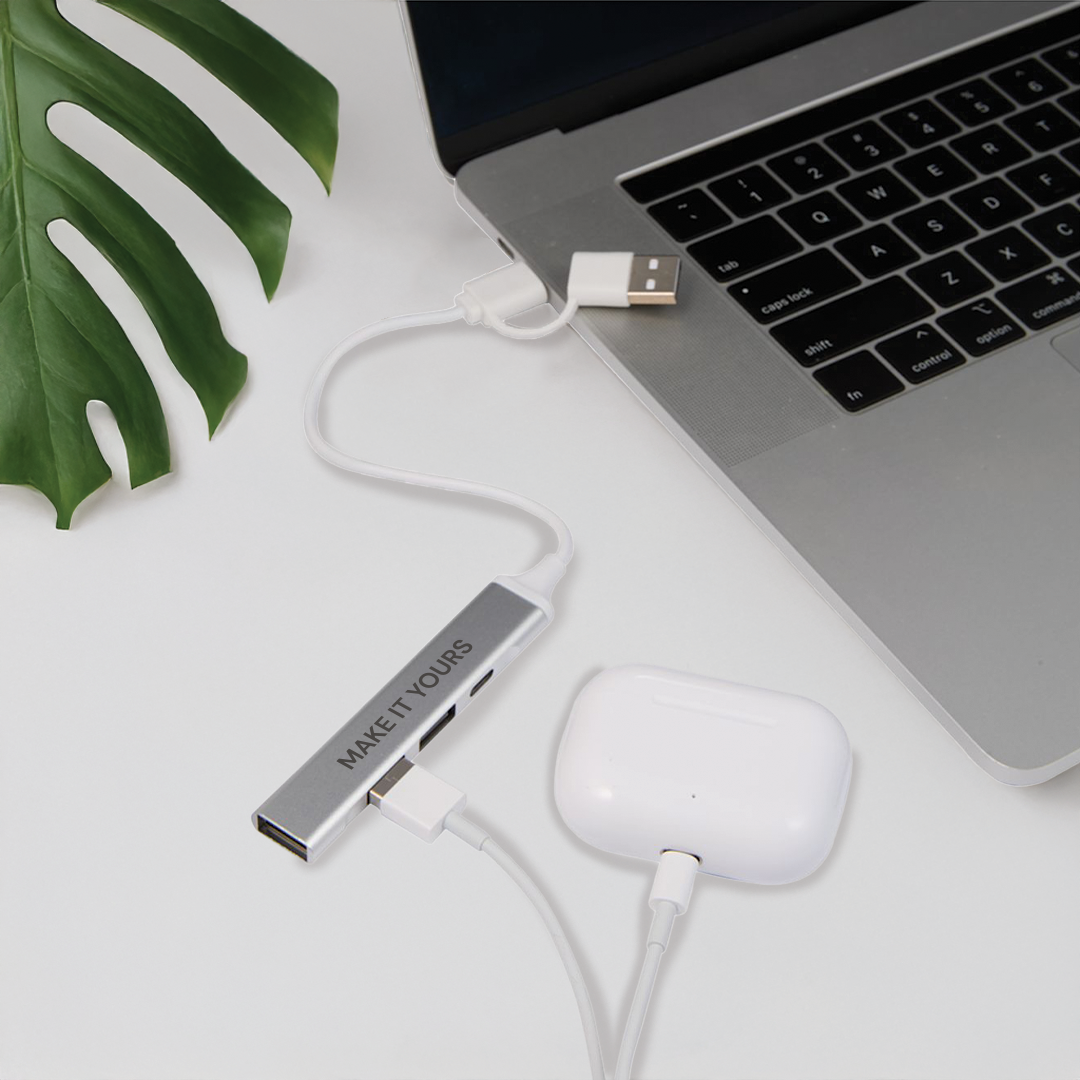
This is the item that makes a remote employee stop and think: my company actually thought about my setup. A USB hub is essential for anyone working from a laptop and connecting peripherals throughout the day. Made from recycled aluminum, it delivers practical value from the first morning at work while also reflecting a commitment to thoughtfully sourced branded promotional items. Utility from day one, with sustainability built in.
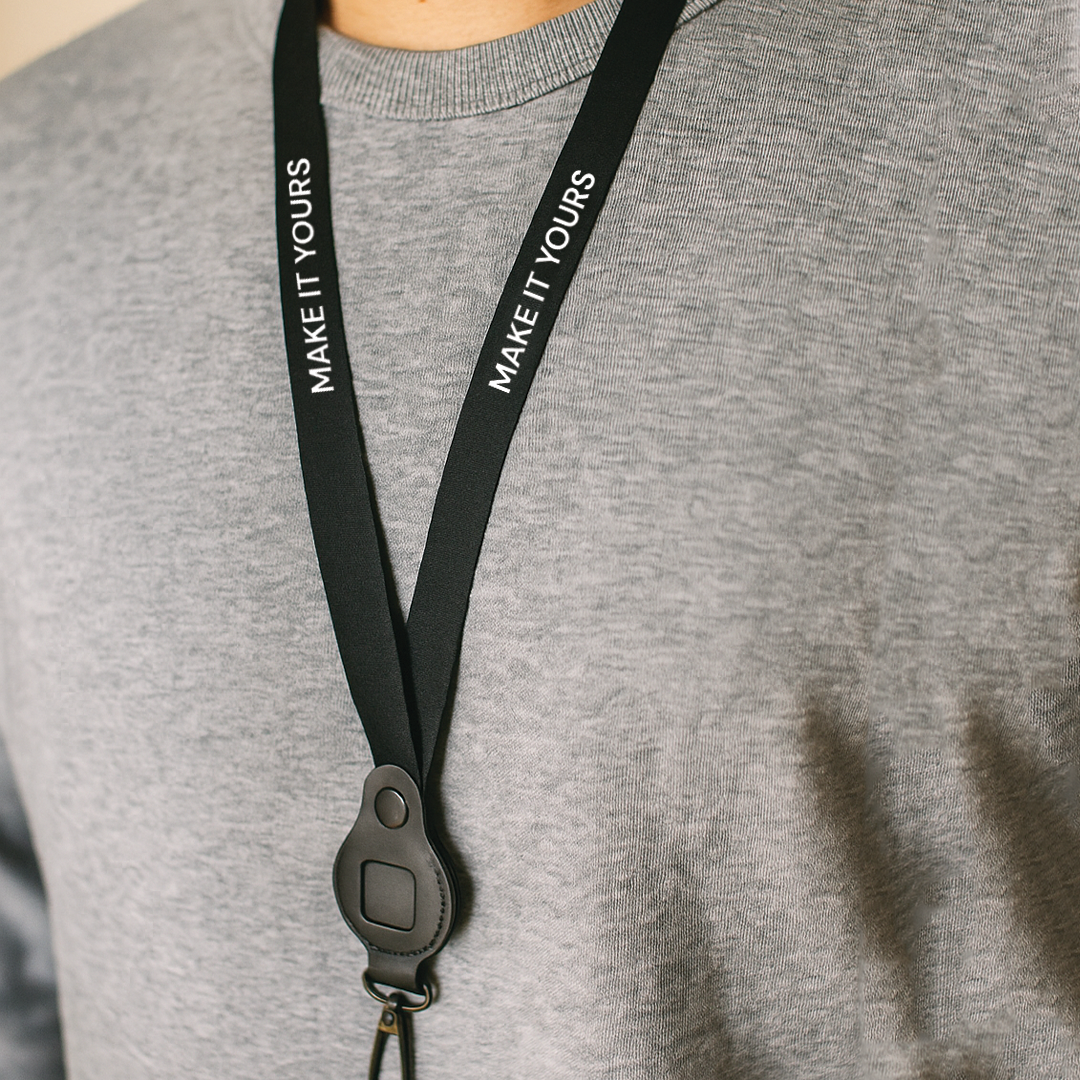
Unlike a traditional branded lanyard, the AirTag Lanyard serves a genuine everyday function for remote employees. Designed to hold an Apple AirTag, it is a slim, wearable accessory for tracking keys, bags, or gear, which matters for employees who move between home, coworking spaces, or client sites. It is the rare kit item that turns a traditionally discarded product category into something new hires actually keep. A smart swap that signals the company thought past the obvious.
Round out the $75 kit with custom branded packaging and a handwritten or printed planatable welcome note. The note matters more than most companies anticipate.
A Sample $150/Person Kit: Our Picks
At $150 per person, you have room to build a kit that covers all three core categories with premium selections and one or two extras that elevate the unboxing experience:
Bellroy Slim Recycled 16'' Laptop Sleeve

Bellroy is a B Corp-certified brand with a reputation for products built to last. Their laptop sleeve is a daily-use item for any remote employee who moves locations, whether that is from a home office to a coffee shop or a coworking space. For a new hire establishing their remote work routine, this is the kind of quality inclusion that communicates real investment. It earns use every time they close their laptop and head out.
Zenith Aluminum Sport Water Bottle 22 oz with FSC® Bamboo Lid
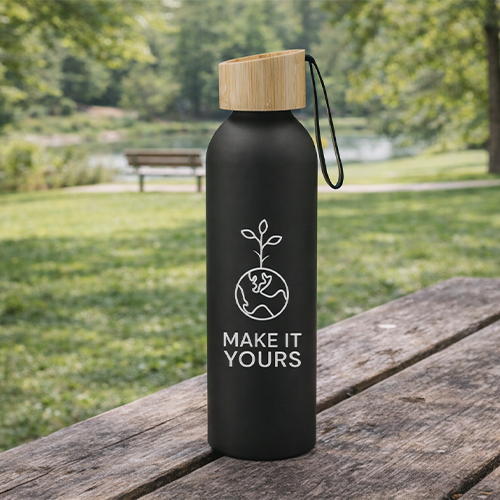
At this budget, the Zenith Bottle remains a cornerstone. Hydration is non-negotiable as a kit category, and a quality insulated bottle delivers both daily visibility and genuine utility for remote employees who spend long hours at their desks.
UltraLux SoftCover Notebook: Elegance Infused Journal 8 x 5.5 Inch
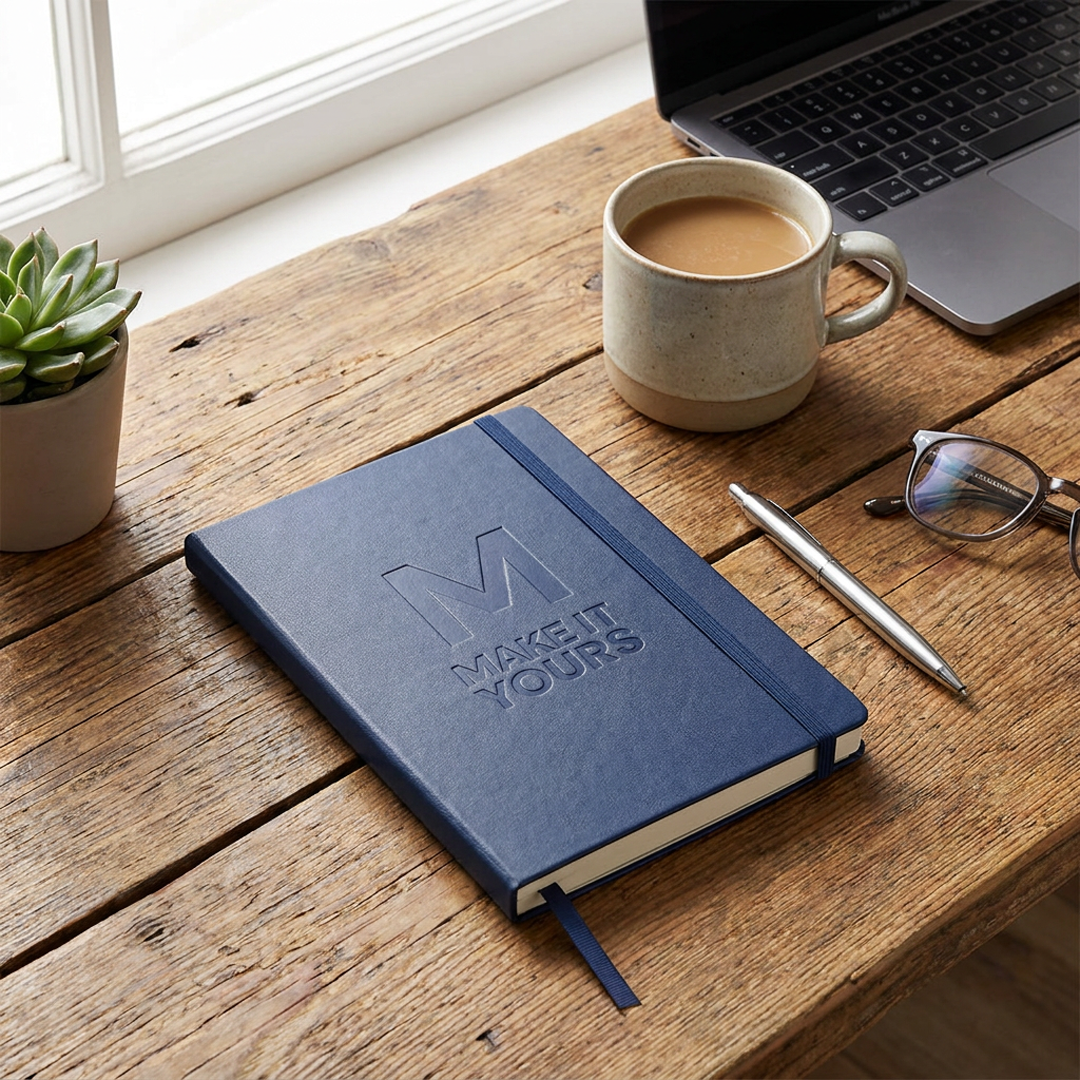
A premium writing experience for new hires who take their notes seriously. Remote workers often rely more heavily on physical notebooks than their office counterparts, using them to anchor workflows without the structural cues of an open-plan environment. The UltraLux is an upgrade that will be noticed and used.
Bamboo Lunch Box with Cutting Board Lid
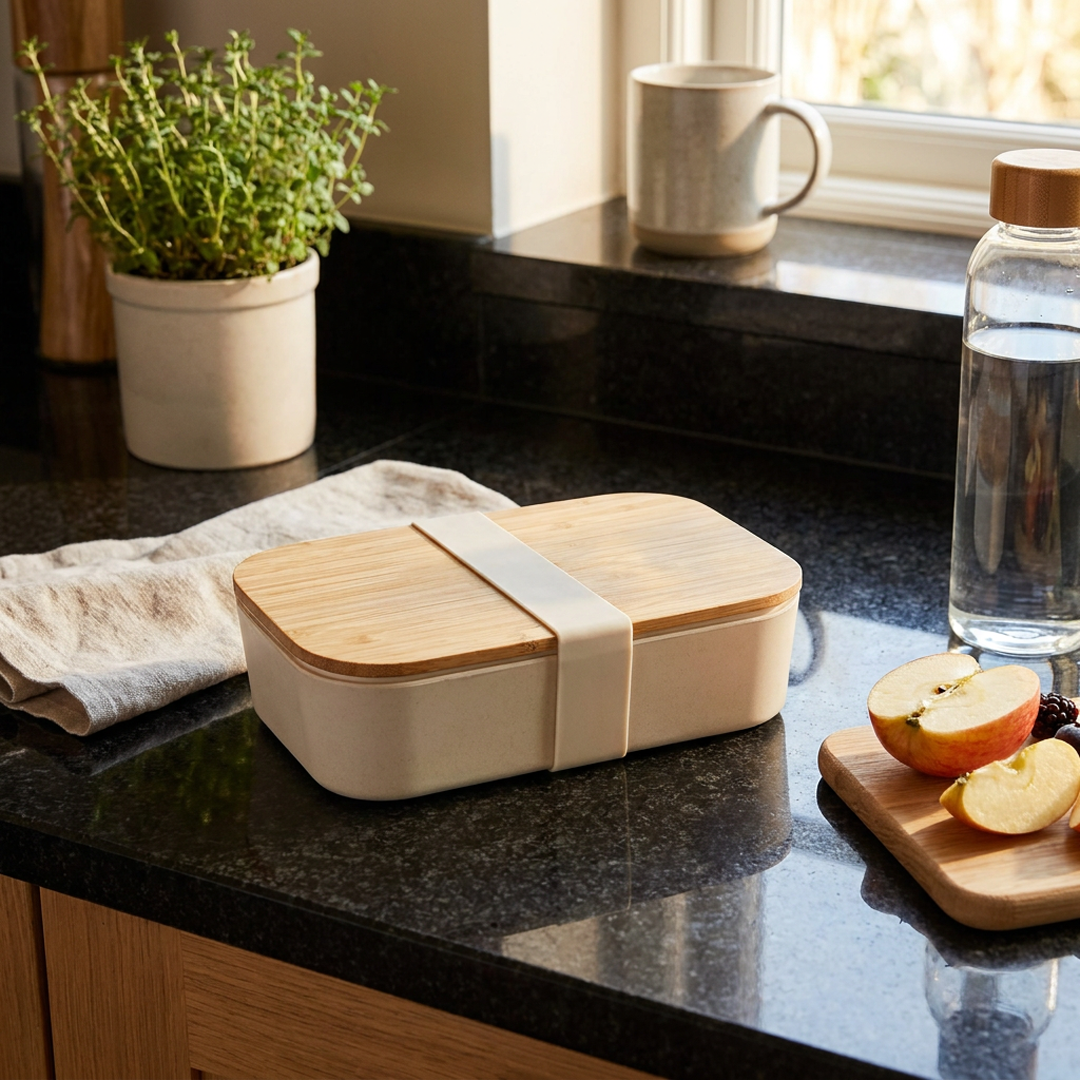
This is the personal category anchor in the $150 kit. A Bamboo Lunch Box tells a new hire that the company thought about their whole day, not just the hours spent on calls. It is a sustainable WFH onboarding gift that remote employees use regularly, and it carries a kind of meaning that desk accessories cannot match. For employees navigating remote work for the first time, small signals of care compound quickly.
Lullaby Sleep Mask with Bluetooth

Remote work blurs the line between work and rest in ways that office life does not, and a sleep mask is a quiet but meaningful acknowledgment of that reality. New hires notice when companies think beyond productivity accessories. Including a sleep mask signals that the company sees the whole person, not just the employee, and that kind of recognition has an outsized effect on how the kit is remembered.
At $150, consider including a short welcome card that briefly notes how each item is intended to be used. It sounds small, but it significantly increases the chances that items like the Bamboo Lunch Box get put to work immediately rather than sitting in the box.
Two More Products Worth Considering
Depending on your team's geography and lifestyle, these additions can strengthen a kit at either budget level:
Recycled 62" Golf Umbrella with Reflective Trim
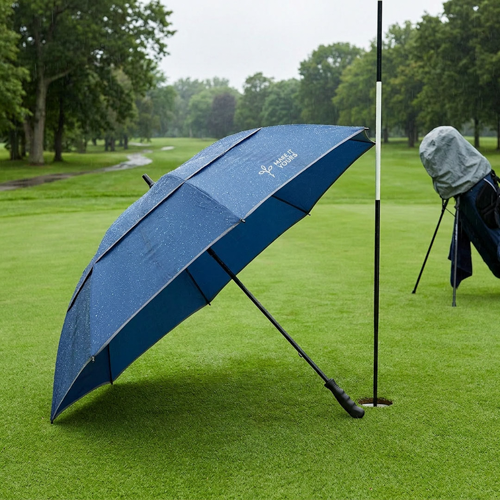
For remote employees in Canada or other high-rainfall regions, an umbrella is a genuinely useful everyday item. Made from recycled materials, this is a sustainable WFH onboarding gift that earns real outdoor visibility every time it rains. For distributed teams in wet climates, this is a strong geography-aware addition that puts your brand in motion well beyond the home office.
WorkFlow Organizer Sleeve
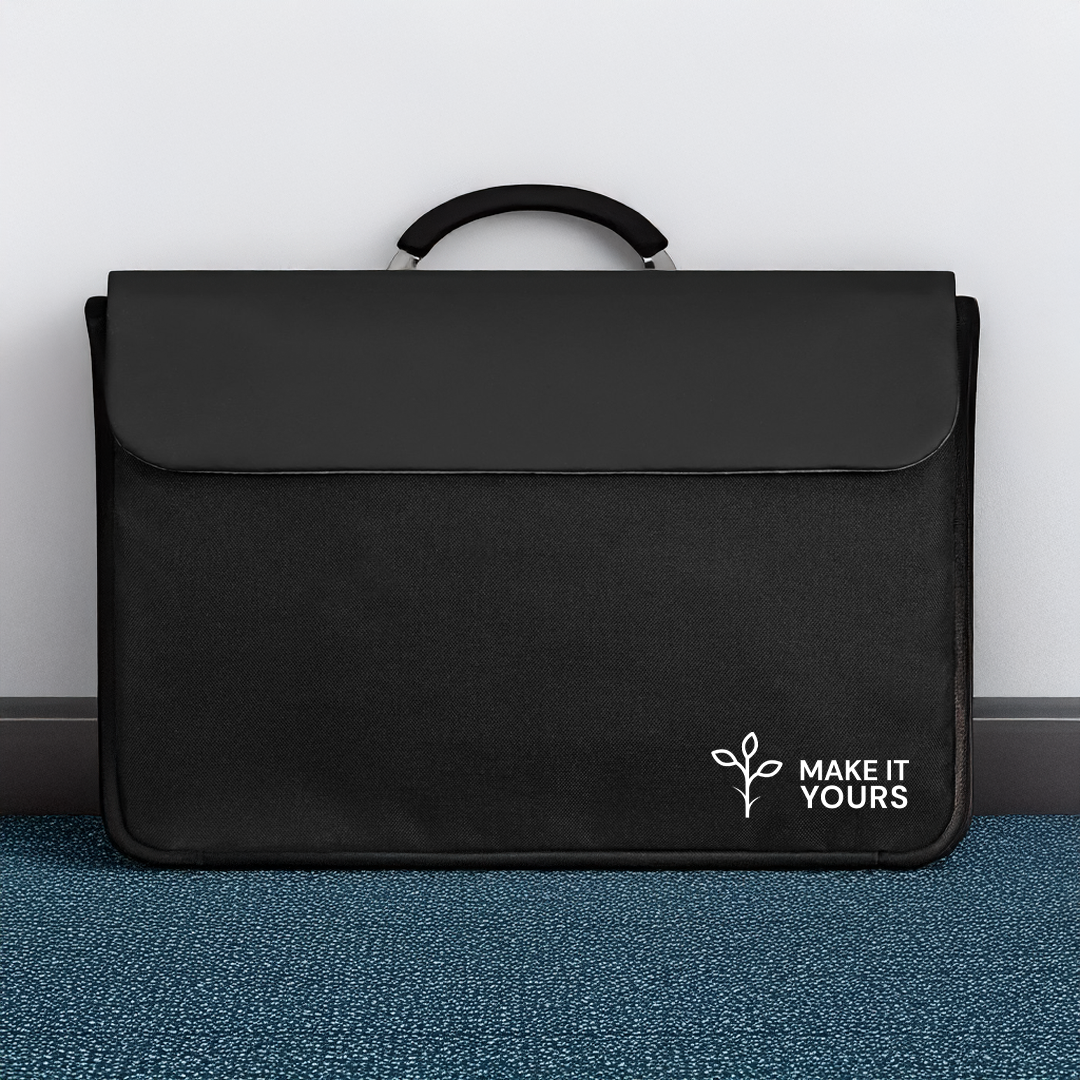
For teams with employees who travel frequently or split time between locations, the WorkFlow Sleeve is worth adding to a $75-tier kit as a practical upgrade. Remote employees who commute to coworking spaces or client sites accumulate more cables, adapters, and accessories than those who stay at a fixed desk, and having a dedicated organizer for that gear matters from day one. This is a lifestyle-specific addition that performs best when your team includes frequent travellers or employees who take their work on the road.
How Ethical Swag Supports Remote Onboarding Programs
Ethical Swag is a women-owned business and certified B Corp. Every product we recommend has been evaluated against supplier compliance standards covering labor practices, environmental impact, and material sourcing. We run supplier audits and share results with clients on request. You can ask for certification documentation before committing to anything.
We also handle the logistics that make remote kitting complicated: warehousing in both Canada and the US, pick and pack fulfillment, kitting, and direct-to-employee shipping. Multi-currency payment is available in CAD and USD, and clients have access to real-time inventory dashboards. Standard production timelines are 15 business days covering both production and delivery from the date of order payment. For tighter windows, our Swift Swag option delivers in 10 business days.
Our Good/Better/Best product framework helps teams make decisions at any budget without sacrificing sourcing standards at the entry tier. Every level includes options that meet our compliance requirements.
For more on how we source products with values in mind, see our Emoji Rating Guide and our Employee Onboarding Guide. This will help you understand how we evaluate every product before it makes our catalog and how we help our clients with values-aligned onboarding experiences.
Frequently Asked Questions
What goes in a remote employee onboarding kit?
The most effective remote onboarding kits include items from three categories: workspace (tech accessories, notebooks, organizers that improve the home office setup), hydration (a quality insulated bottle or tumbler that earns daily use), and personal items that acknowledge life outside work. The best kits prioritize daily utility so new hires encounter your brand repeatedly throughout their workday. At any budget, focus on fewer well-chosen items over volume. A kit with three items someone reaches for every day outperforms a box of ten items that all go in a drawer.
What are the best onboarding kit ideas for new hires?
The highest-performing items in remote onboarding kits tend to be: a quality insulated water bottle, a notebook or premium writing journal, a practical tech accessory that improves the home office setup (such as a USB hub or laptop sleeve), and one personal item that signals the company thought about the whole person. Items like a sleep mask, a bamboo lunch box, or a travel organizer consistently stand out in new hire feedback precisely because most onboarding kits do not include them. The items that feel unexpected are often the ones that get remembered.
What are good sustainable WFH onboarding gifts?
Sustainable WFH onboarding gifts include items made from recycled materials, products from brands holding third-party certifications such as FSC, GOTS, or GRS, and items built for long-term use rather than novelty. Durable everyday items, including insulated bottles, quality notebooks, and bamboo accessories, outlast flashier options and are more likely to be used daily. That daily use is both more sustainable and more effective for brand visibility than a single-use item that gets tossed after opening.
How much should a remote onboarding kit cost per person?
Remote onboarding kits typically range from $50 to $200 or more per person depending on the number of items, product quality, and fulfillment logistics. At $75 per person, a focused kit with three or four strong items is achievable. At $150, there is room for a premium branded item alongside core selections. Budget for packaging and a welcome note as well. The note has a meaningful impact on how the kit is received at any price point.
What is the one onboarding kit item remote employees never use?
The traditional branded lanyard. It is a holdover from in-office welcome kits, where it serves a clear purpose: holding a badge. Remote employees do not have a badge to hold. The lanyard goes straight into a drawer, often still in the packaging. An AirTag Lanyard is a direct substitute that remote employees actually use, designed to hold a tracking device for keys, bags, or travel gear. The swap costs comparably and meaningfully improves how the kit is perceived.
Can Ethical Swag handle kitting and fulfillment for remote teams?
Yes. Ethical Swag manages warehousing in Canada and the United States, pick and pack fulfillment, kitting, and direct-to-employee shipping. Multi-currency payment is available in CAD and USD, and clients have access to real-time inventory dashboards. Standard production and delivery runs 15 business days from the date of order payment. For faster timelines, the Swift Swag option delivers in 10 business days.
Ready to Build a Kit Your New Hires Will Actually Use?
We work with HR teams, People Ops leads, and procurement managers across Canada and the US to build remote onboarding kits that land. Product sourcing, kitting, warehousing, and fulfillment all handled.
Book a free call or visit ethicalswag.com and tell us what you are building.