



Running a zero-waste giveaway campaign takes more than choosing eco-friendly products. This guide shares creative, practical ways to reduce waste across planning, sourcing, fulfillment, and follow-up, with real examples of how zero-waste giveaways actually work in the real world.

Most giveaway campaigns start with the right intentions and still end with leftovers. Extra boxes. Unused products. Items that felt like a good idea at the time but never quite found a home.
If that sounds familiar, you’re not alone. We see this all the time, even with teams that genuinely care about sustainability.
A zero-waste giveaway campaign isn’t about being perfect or never having a single extra item. It’s about designing the entire experience more intentionally, from the first planning conversation to what happens after the campaign wraps. When it’s done well, zero-waste campaigns actually feel better than traditional giveaways. They’re more thoughtful, more engaging, and usually more memorable too.
At Ethical Swag, we’ve learned that the biggest opportunities to reduce waste don’t live in a product spreadsheet. They live in how decisions get made, how inventory is managed, how fulfillment is set up, and how much choice you give people along the way.
Here’s how to approach a zero-waste giveaway campaign in a way that’s practical, creative, and grounded in how these programs actually run.
Start by Getting Clear on Why the Giveaway Exists
One of the fastest ways a giveaway creates waste is when the purpose is fuzzy. If the goal is simply “we need something to give away,” everything that follows becomes a guess.
Before you look at products, pause and ask what this giveaway is meant to do. Is it welcoming new hires? Supporting an event experience? Reinforcing a brand value? Creating a meaningful follow-up after a campaign?
When the purpose is clear, waste drops naturally. You stop defaulting to generic items and start choosing fewer pieces that actually make sense for the moment.
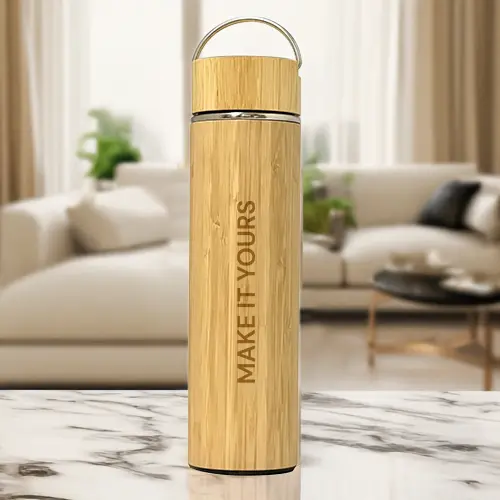
For example, onboarding programs often work best with a small number of everyday items people will genuinely use, like reusable drinkware or a well-made notebook. We regularly see teams use practical pieces from our drinkware collection because they’re simple, durable, and easy to integrate into daily routines.
Purpose first almost always leads to less excess later.
Focus on Fewer, Better Items Instead of More Stuff
Zero-waste doesn’t mean you have to shrink your budget. It means you use it more intentionally.
We’ve seen far more waste come from bundles of low-impact items than from a single well-chosen product. One quality piece that someone reaches for every day creates more value than several novelty items that lose relevance quickly.
That’s why zero-waste campaigns often lean into fewer, better products. A tote that gets used weekly. A notebook that lives on someone’s desk. An item that earns its place instead of competing for attention.
Ethical Swag’s notebooks and stationery are often used this way because they’re practical and easy to keep using long after a campaign ends. https://ethicalswag.com/collections/stationery
When people want to keep something, it doesn’t become waste.
Build Choice Into the Experience Wherever You Can
Guessing is one of the biggest drivers of waste in giveaway campaigns. Guessing what people want. Guessing how many items to order. Guessing which sizes, colors, or styles will land. Even well-intentioned teams with past data still end up making assumptions that don’t fully hold up.
Giving people choice removes most of that guesswork.
When recipients can choose from a small, intentional set of options, waste drops almost immediately. Pop-up shops or curated selection pages allow people to pick something they actually want and will realistically use. This does two important things at the same time. It dramatically reduces leftover inventory, and it makes the experience feel more personal instead of transactional.
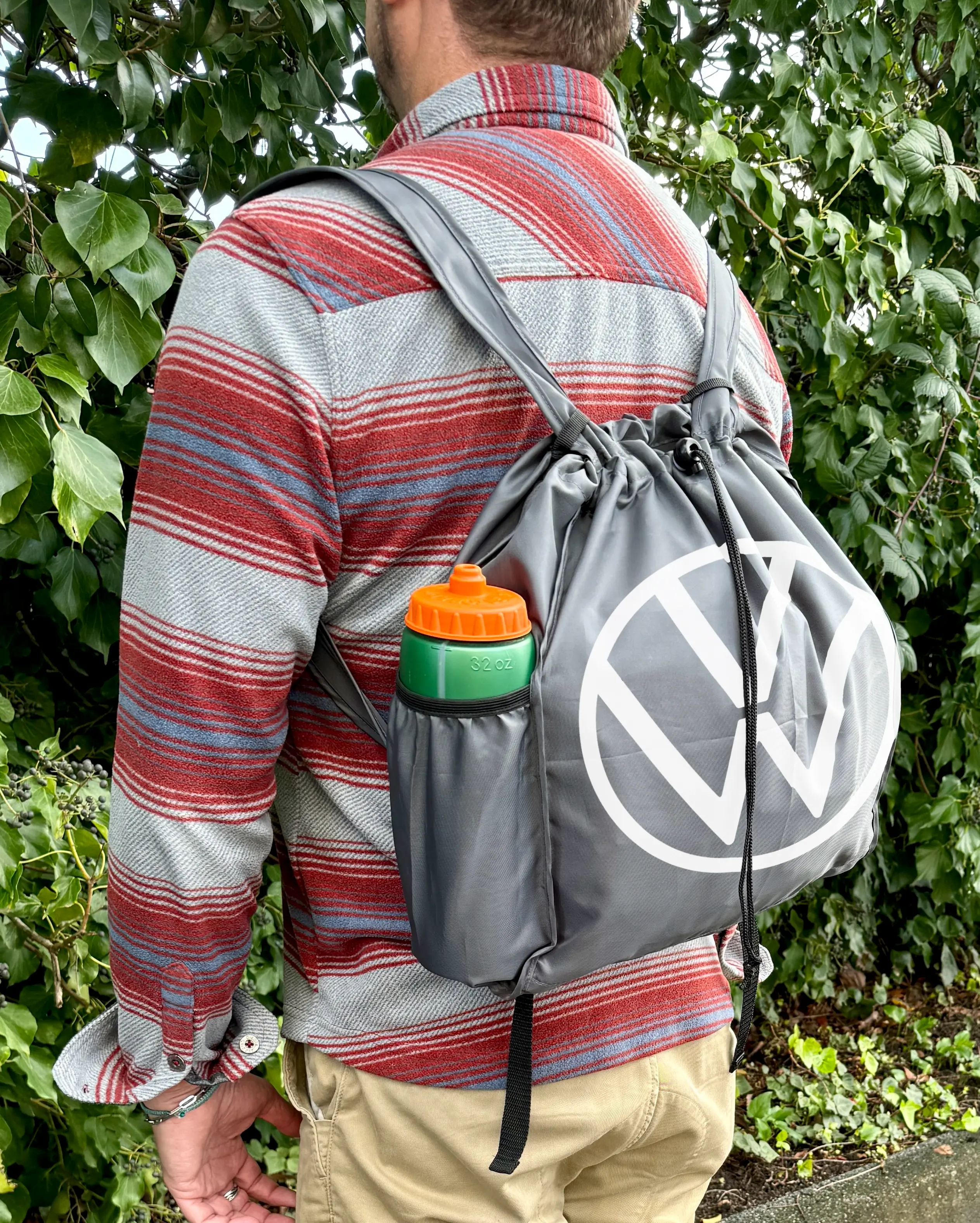
The key here is curation. Choice doesn’t mean overwhelming people with dozens of options. In fact, too many options can create confusion and slow down decision-making. We often see the best results when teams offer two or three versatile choices that work across different lifestyles. For example, letting someone choose between a reusable tote and a lightweight backpack gives them agency without complicating fulfillment.
Choice-based campaigns also tend to create better engagement overall. People feel more invested in what they receive because they actively selected it. That sense of ownership goes a long way in keeping items out of drawers and in regular use. Higher satisfaction and far less unused inventory are almost always the outcome.
Read our blog on How to Set Up a Branded Pop-Up Shop in 5 Easy Steps.
Separate Visibility From Automatic Distribution
Not every giveaway needs to be handed out the moment someone shows up. In fact, automatic distribution is often where waste quietly creeps in.
At events, it’s common to place items on every chair or hand something to everyone who walks past a booth. The problem is that not everyone wants the item, needs it, or can easily carry it. Those products end up left behind, forgotten in hotel rooms, or tossed before people even get home.
Separating visibility from fulfillment is a simple but powerful shift. Instead of handing items out automatically, invite people to opt in. A QR code at a booth, a short sign-up form, or a follow-up email after the event lets people raise their hand for something they actually want.
This approach means fulfillment happens after interest is confirmed. Items get shipped to people who asked for them, not everyone who happened to pass by. It also creates a natural follow-up moment, extending the life of the campaign beyond the event itself.
Apparel works especially well with this model because size, fit, and personal style matter. Ethical Swag’s responsibly made apparel is often used in opt-in campaigns for exactly this reason.When people can choose their size and style, satisfaction goes up and waste drops significantly.
It’s one of those rare cases where doing less upfront actually creates a better experience overall.
Plan Inventory in Phases Instead of All at Once
Over-ordering almost always comes from the same place. Pressure. Pressure to be prepared. Pressure to avoid running out. Pressure to predict everything upfront.
Zero-waste campaigns work better when that pressure is removed and inventory is planned in phases. Instead of committing your entire budget at the start, begin with a conservative initial quantity. Pay close attention to how quickly items are claimed, which options move fastest, and where interest slows down. Then reorder based on real demand, not assumptions.
This is where warehousing and real-time inventory visibility make a meaningful difference. When teams can see inventory levels clearly and trust that replenishment is possible, they don’t feel the need to overbuy “just in case.” They gain flexibility instead of locking themselves into a single decision.
Phased inventory planning also allows campaigns to adapt. If one product resonates more than expected, you can lean into it. If another underperforms, you can pause before ordering more. That responsiveness almost always leads to fewer leftovers, lower write-offs, and a much calmer experience for the teams running the program.
Less stress, less waste, and better outcomes tend to go hand in hand when inventory is treated as something dynamic rather than fixed.
Treat Fulfillment as Part of Your Sustainability Strategy
Even the most thoughtfully sourced product can lose its impact if fulfillment is treated as an afterthought. We’ve seen campaigns with genuinely great products still generate unnecessary waste simply because of how those items were packed, shipped, or distributed.
Zero-waste campaigns bring fulfillment into the conversation early, not at the very end. That means thinking about how items will move from storage to recipient just as carefully as you think about what the item is. Right-sized packaging matters. Sending a small product in an oversized box creates waste instantly, no matter how sustainable the product itself is. The same goes for excessive inserts, extra tissue, or packaging elements that look nice but serve no real purpose.
Shipping strategy plays a big role here too. Consolidating shipments when possible reduces emissions and packaging waste. Direct-to-recipient shipping often eliminates unnecessary handoffs and reduces the chance of items being lost, damaged, or left behind at events. Even the timing of shipments can matter, especially when campaigns involve multiple phases or locations.
We pay close attention to these details because they’re often the difference between a campaign that looks sustainable on paper and one that actually holds up in practice. When fulfillment is designed intentionally, sustainability becomes part of the system instead of something teams have to manually enforce.
Download our Your Guide to Ethical Swag services brochure to learn more about the options we can provide you to fulfil your swag needs!
Be Thoughtful With Branding So Items Last Longer
Branding choices have a surprisingly big impact on waste, even though they’re rarely discussed that way. Overly specific or time-bound branding is a quiet contributor to items being discarded sooner than necessary.
Think about a tote or bottle that’s tied tightly to a single event, year, or campaign slogan. Once that moment passes, the item often feels outdated, even if it’s still perfectly usable. People are less likely to keep using it, which shortens its lifespan and increases waste.
Zero-waste campaigns tend to benefit from more timeless branding approaches. Subtle logo placement. Brand colors instead of bold slogans. Designs that feel neutral enough to use at work, at home, or on the go months later. This doesn’t mean sacrificing brand presence. It means letting the product earn long-term use instead of forcing the message.
When items feel good to use beyond the original moment, they stay in circulation longer. That extended lifespan is one of the simplest and most effective ways to reduce waste without adding complexity to the campaign.
Measure What Didn’t Happen, Not Just What Did
Most giveaway campaigns measure success by volume. How many items were handed out. How many boxes were shipped. How many people participated. While those numbers have their place, they don’t tell the full story for a zero-waste campaign.
Zero-waste measurement often focuses on what didn’t happen. How much inventory was left at the end of the campaign. How quickly items were claimed. Whether reorders were needed or avoided. Whether products sat untouched in storage or moved consistently.
Usage matters too. Feedback, anecdotal responses, or even internal observation can help teams understand whether items were actually integrated into daily life or quietly set aside. Fewer leftovers, fewer write-offs, and fewer rushed reorders are all signs that a campaign was designed thoughtfully.
These metrics provide a much clearer picture of real impact. They also make it easier to improve future campaigns, because teams can see where assumptions held up and where they didn’t. Measuring what didn’t happen helps prevent repeating the same patterns year after year.
Decide What Happens After the Campaign Before It Starts
Waste has a way of appearing after a campaign is technically finished. Extra inventory sits in storage. Teams aren’t sure whether to save it, donate it, or write it off. Decisions get delayed, and items slowly lose relevance.
Zero-waste planning includes an end plan from the beginning. Before the campaign launches, it’s worth asking a few simple questions. If inventory remains, can it roll into another program? Could it be used internally for onboarding or employee recognition. Is donation an appropriate option for this type of product? Or can the campaign be structured so leftovers are unlikely in the first place.
When teams decide this upfront, it changes how they order, brand, and fulfill items. Phased inventory feels safer. Choice-based distribution becomes easier to justify. Conservative initial quantities make more sense.
When the end is clear, the beginning gets smarter. And when teams know they have a responsible plan in place, zero-waste goals feel achievable instead of aspirational.
FAQ’s About Zero-Waste Giveaway Campaigns
Q: Is a zero-waste giveaway realistic at scale
A: Yes, and this is one of the biggest misconceptions we hear. Zero-waste does not mean small or limited. It means planned. When campaigns are designed with phased inventory, recipient choice, and intentional fulfillment, they actually scale more smoothly than traditional giveaways. Ordering in waves instead of all at once, using pop-up shops or opt-in models, and tracking inventory in real time allows teams to respond to real demand instead of guessing. At scale, this approach usually results in less waste, fewer last-minute scrambles, and better overall experiences.
Q: Does zero-waste limit creativity
A: If anything, it does the opposite. Constraints tend to push teams to think more intentionally about the experience they are creating. Instead of defaulting to generic items, zero-waste campaigns often lead to more thoughtful concepts, stronger storytelling, and more memorable moments. We regularly see the most creative campaigns come from teams who start by asking how to reduce waste, because it forces clearer purpose and better design decisions from the beginning.
Q: What products tend to work best for zero-waste giveaway
A: Products that earn their place in someone’s daily life consistently perform best. Drinkware, bags, notebooks, and well-made apparel are popular not because they are trendy, but because they are used again and again. Items with repeat use naturally reduce waste because they are less likely to be discarded. Choosing versatile, durable products also makes it easier to design campaigns that work across different audiences and moments.
You can explore a wide range of these kinds of products here: https://ethicalswag.com/products
Q: How do you handle leftovers responsibly
A: The most responsible way to handle leftovers is to design campaigns where they are unlikely to exist in the first place. That means conservative initial ordering, phased replenishment, and giving recipients choice. When inventory does remain, having a plan matters. Leftover items can often be rolled into future programs, offered internally to employees, or donated thoughtfully depending on the product. The key is deciding on these paths upfront, not scrambling after the campaign ends.
Q: What is the biggest mistake teams make when trying to run a zero-waste giveaway
A: The biggest mistake is treating zero-waste as a product problem instead of a systems problem. Teams often focus exclusively on finding the perfect eco-friendly item while overlooking planning, inventory management, and fulfillment. Zero-waste outcomes come from how the campaign is designed and executed, not just what is being given away.
Q: How do you balance zero-waste goals with tight timelines
A: Planning ahead is the biggest factor. Zero-waste campaigns benefit from early alignment on purpose, quantities, and fulfillment models. When timelines are tight, opting for simpler kits, phased inventory, or opt-in distribution can actually speed things up while still reducing waste. Zero-waste does not have to mean slower, but it does require clarity early on
Summary
A zero-waste giveaway campaign isn’t about finding a magic product. It’s about designing a system that respects resources, recipients, and the reality of how campaigns actually run.
When you focus on purpose, choice, phased inventory, thoughtful fulfillment, and long-term use, giveaways become more meaningful and far less wasteful.
If you want help designing a zero-waste giveaway campaign that balances creativity, sustainability, and execution, reach out to [email protected] or book a Free Swag Project Intro Call.