


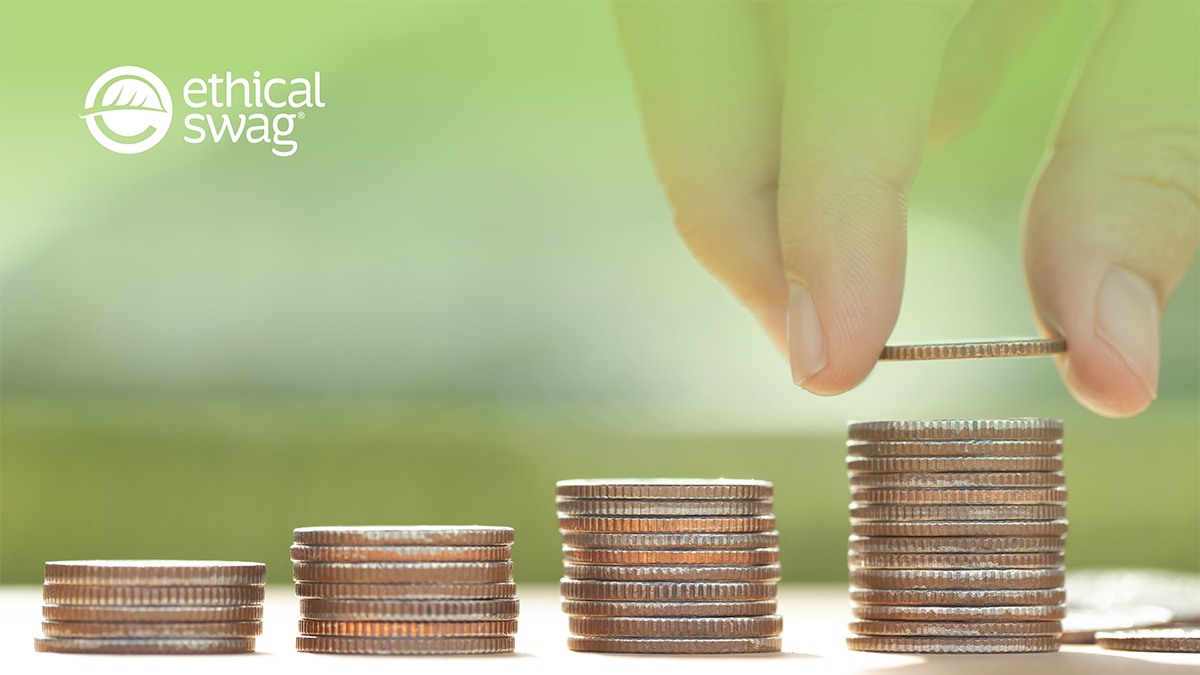
At Ethical Swag, we believe that swag isn’t just about swag, it’s about values. It’s about using promotional products as a means to express brand identity, build meaningful connections, and uphold our commitment to people and planet. One of the most fundamental ways to deliver on that promise is ensuring fair wages in the supply chain.
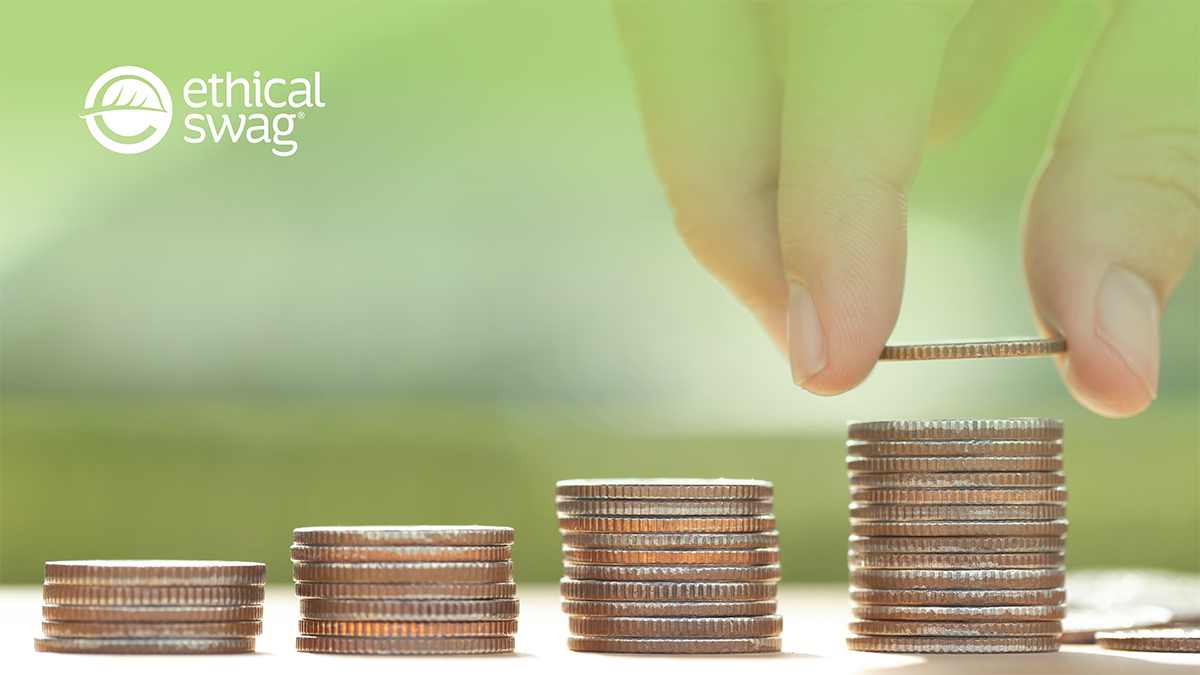
If you’re reading this, you likely already know that paying people fairly is the right thing to do. But you may also be asking: Why is it non‑negotiable? How do we define “fair”? What does it even look like in a complex global supply chain? We’ll answer those questions in a transparent, conversational way. Let’s dive in.
What do we mean by “fair wages”?
When we use the term fair wages, we aren’t simply talking about a minimum wage or a legal compliance number. In our view and one supported by leading research, a fair wage has several dimensions:
It meets a living wage standard (enough to cover basic needs and a decent quality of life). For example, one guide points out that nearly one in five workers globally earn too little to lift themselves and their families out of poverty. (Fairphone).
It is paid consistently, on time, in full, and with respect to legal overtime, benefits, and social protections.
It is supported by transparent mechanisms, wage progression, collective bargaining or fair negotiation, and reflects fairness in how different roles are compensated.
It is part of a broader ethical and sustainable sourcing strategy not just one factory in isolation but across the chain. Transparency is central.
In short: fair wages = paying people what they deserve, with dignity, where their labour sustains their lives and contributes to the supply chain and the brand without being hidden, compromised or treated as optional.
Why fair wages are non‑negotiable
1. It’s a human rights and dignity issue
Every worker deserves to earn enough to live, not just survive. The International Labour Organization (ILO) estimates that many workers globally earn wages that are inadequate to support their families and break out of poverty. When we ignore fairness in wages, we perpetuate inequality, injustice, and sometimes exploitation. For us, making ethical swag means we carry that value through every link.
2. It affects supply‑chain resilience and quality
Fair wages aren’t just “good ethics”, they’re smart business. According to guides, companies committed to paying living wages build stronger, more stable, and more resilient supply chains. (UN Global Compact).
Workers who are paid fairly are more engaged, have fewer disruptions, and the brand reputation is stronger. It’s about reliability and quality, not just a cost line.
3. Stakeholder expectations and brand trust
Consumers, employees, investors; they increasingly expect transparency and ethical sourcing. The market is shifting. A recent article noted minimum wages often don’t keep up with cost of living and rising inflation, so brands ignoring wages risk reputational harm. (World Economic Forum).
For us at Ethical Swag, we see every piece of branded merchandise as a brand promise. If your brand stands for sustainability, fairness, inclusion, then your swag must follow.
4. It lays the foundation for system‑wide change
One restrictive factory might pay fairly, but if the upstream or downstream suppliers don’t, it undermines the entire chain. Fair wages become non‑negotiable if we’re serious about system change. A chapter on fair pay in supply chains emphasizes fairness in pricing, trade relationships and wages across the chain.
Brands that accept weaker links in their chain are effectively undermining their own mission.
Challenges in implementing fair wages
Sure, it sounds straightforward, but fairness in wages across global supply chains isn’t easy. Here are some of the real‑world challenges:
• Lack of transparency and visibility
Many supply chains are deeply layered. Raw materials, subcontractors, tier‑2 and tier‑3 suppliers brands often don’t know everything. Without visibility, it is impossible to assess wage fairness. We must map, trace, audit.
• Uneven regulations and legal minimums
In many countries the minimum wage exists but it may still fall below what constitutes a living wage. And laws may be weak, poorly enforced, or variable across regions.
Brands in global markets must consider that complexity and go beyond compliance.
• Purchasing practices that pressure margins
If buyers push for ever‑lower costs, shorter lead times, unpredictable orders, suppliers may respond by cutting labour costs (including wages) or relying on overtime, temporary workers, or informal labour. These practices undermine fair wages. Thus, fair wages require aligned buying practices.
• Lack of collective bargaining or worker voice
If workers lack channels to negotiate, or suppliers don’t allow unionisation or representation, wages may stagnate or be arbitrarily set. Many fair‑wage frameworks call for wage‑fixing mechanisms and collective voice. Empowerment matters.
How brands can implement fair wages in the supply chain
Here at Ethical Swag, we partner with brands to make it easy, effective and impactful so let’s walk through how you can integrate fair wages into your supply‑chain strategy.
1. Map and assess your supply chain
Know your tiers. Identify which suppliers, factories, subcontractors, and workers are involved. Assess risks: Are there regions with low wages, weak labour laws, informal work?
Use tools, audits, traceability systems. This is a foundational step for ensuring ethical sourcing.
2. Define a clear fair wage policy
What wage floor will you require? How will you define “living wage” in the relevant region? Will you require wage progression? Payment on time? Benefits?
A strong fair‑wage definition makes it clear what you expect your suppliers to deliver.
3. Engage suppliers and build relationships
Rather than simply auditing and policing, you want a collaborative approach. Work with suppliers so they understand the value of fair wages, better retention, higher quality, fewer disruptions. Encourage training, capacity building, supplier awareness.
4. Adjust purchasing practices
Ensure your buying practices support fair wages: fair pricing, predictable order volumes, realistic lead‑times, margin sharing. Without this alignment, fair‑wage policies may falter.
5. Audit, monitor, and report transparently
Regular audits, wage verification, worker interviews, third‑party review. Transparent reporting builds trust and identifies problems early. Ethical supply chain management needs audits, transparent reporting, and supplier empowerment.
6. Empower worker voice & collective representation
Encourage mechanisms where workers can raise concerns, engage in wage negotiation or collective dialogue. This enhances the fairness and sustainability of wage practices. While this is often more challenging, it’s foundational to fairness.
7. Collaborate across industry
Go beyond your company. Industry initiatives, peer collaboration, standards and codes of conduct. For example, the Ethical Trading Initiative and other frameworks uphold living wages as part of labour standards.
The business case for fair wages
Yes, ethical imperatives matter but still: fair wages make business sense. At Ethical Swag we talk in terms of smart sustainability. Here are key business benefits:
Higher productivity, retention and morale. Workers who are paid fairly are more stable and committed.
Reduced risk of disruption. When wages are fair, fewer strikes, fewer turnover, fewer hidden costs of working‑around problems.
Better quality and innovation. If suppliers are not under wage‑stress, they can invest in process, training, and innovation.
Stronger brand and stakeholder trust. With consumers and business partners increasingly expecting ethical sourcing, paying fair wages strengthens reputational capital.
Compliance ahead of regulation. With regulation trending toward stronger labour protections globally, early action positions you ahead of risk. As one expert commentary noted: “Minimum wages do not always reflect living wages… companies and governments benefit by paying fairer wages.” (World Economic Forum).
Why brands that don’t prioritise fair wages face risk
Ignoring fair wages isn’t just a moral oversight, it’s a strategic liability:
Reputation risk: In the age of transparency, brands can be exposed for unfair labour practices, even further down the chain.
Supply‑chain fragility: Unfair wages often go hand‑in‑hand with over‑burdened workers, fatigue, turnover, errors leading to higher hidden costs.
Legal and regulatory risk: As global frameworks evolve, non‑compliance could mean sanctions, lost business, or legal liabilities.
Market pressure: Stakeholders (e.g., consumers, investors) increasingly value ethics and will shift away from brands that lag.
Moral obligation: Aligning your operations with the values you claim isn’t optional it builds internal coherence and long‑term trust with partners and workers.
How Ethical Swag embeds fair wages into our model
Since you’re here with us, you may wonder: how do we make it matter?
We vet suppliers not just for product quality and lead‑time, but for living‑wage practices and transparent labour conditions.
We include fair‑wage clauses in contracts with factories, and we prioritise suppliers who demonstrate wage transparency.
We work with you, our brand partner, to make purchasing decisions aligned with ethical sourcing: fair pricing, predictable volumes, realistic lead times.
We monitor and report: we encourage audits and provide you visibility into the labour conditions (not just surface level, but real worker voice).
We communicate the story: your branded products don’t just say your logo, they reflect your values. That story builds connection with your audience, your team, your stakeholders.
We offer guidance and resources so you don’t have to shoulder all the complexity alone. Our role is partner, not spectator.
Want to learn more? Find out more in our resources: Sustainable Buyer’s Guide Our Definition of Sustainability Our Sustainability Pillers
FAQs: Fair Wages in the Supply Chain
Q1: Is “fair wage” the same as the legally required minimum wage?
Not necessarily. A minimum wage is the legal floor, it doesn’t always meet the threshold for a “living wage”, which allows workers and their families to cover basic needs and participate in society. Many fair‑wage frameworks require going beyond legal minima.
Q2: How can a brand verify that wages are fair in overseas factories?
Verification involves a combination of practices: supply‑chain mapping, supplier self‑assessment, third‑party audits, worker interviews, wage slip reviews, and transparency of purchasing practices. Services and frameworks exist to help facilitate this.
Q3: Doesn’t paying higher wages just drive up cost? How do we absorb that?
You’re right, it may increase cost at the outset, but when done thoughtfully it delivers a return: fewer supply‑chain disruptions, better quality, lower turnover, stronger brand value. Also, integrating it into your value chain (pricing, procurement) helps absorb those costs sustainably. The business case supports it.
Q4: What role do consumers and brand audiences play in fair wage practices?
They play a big role. Greater transparency means your audience expects accountability. When you communicate that your promotional items were sourced ethically with fair wages, you reinforce trust, differentiate your brand, and deepen engagement. It becomes a part of your narrative.
Q5: Can small brands (with limited budget) realistically adopt fair wage practices?
Yes. It’s about choices and alignment, not perfection overnight. Even small brands can embed fair‑wage requirements in supplier contracts, prioritise fewer, trusted, ethical suppliers, build long‑term relationships, and invest in transparency gradually. Our job at Ethical Swag is to help make this pathway accessible.
Q6: How long does it take to implement fair wage policies across a supply chain?
There’s no one‑size answer. It depends on how complex your supply chain is, how many tiers, how mature your sourcing practices are. Many brands start with prioritized tiers (e.g., direct suppliers), then expand upstream. The key: commit and iterate rather than wait for “perfect”.
Final Thoughts
At Ethical Swag, we’re firmly of the view that fair wages in the supply chain are not optional, they’re foundational to ethical sourcing, brand integrity, and sustainable business. When you choose to align your promotional‑product strategy with fair wages, you’re doing more than printing a logo, you're taking a stand for people, for transparency, for trust.
You’re telling your audience: “We make it matter.” You’re signaling that the merchandise you distribute isn’t just another item, it carries your values. You’re supporting workers, strengthening your supply chain, and giving your brand the ethical credibility that today’s market demands.
We welcome you to partner with us on this journey. Let’s make smart, thoughtful, ethical decisions together so that every piece of swag you send has both brand impact and human impact.
Contact us today to get started on your next project.