


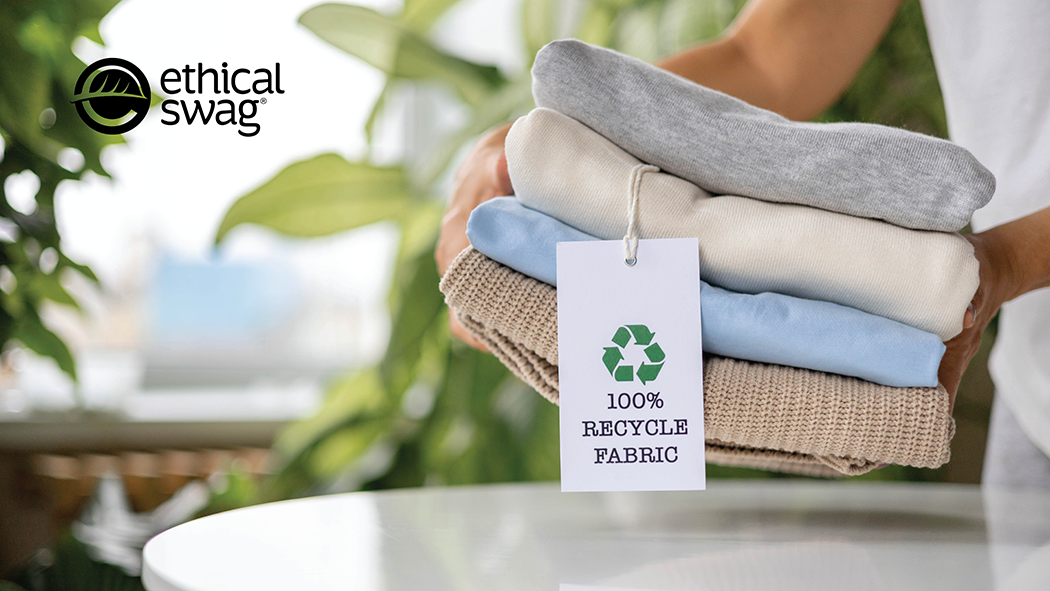
At Ethical Swag, we believe that “swag” can go beyond just logos on tees, it can spark sustainable change. In this post, we explore how custom apparel and ethical fashion merge to redefine branded merchandise. We’ll walk you through why thoughtful sourcing, fair labor, and eco‑conscious production matter. Along the way, we’ll share practical strategies for creating custom apparel that reflects your brand values and helps build a better future. Whether you’re designing team hoodies, conference tees, or retail‑ready eco gear, this guide shows how to make every stitch matter for people, planet, and brand.
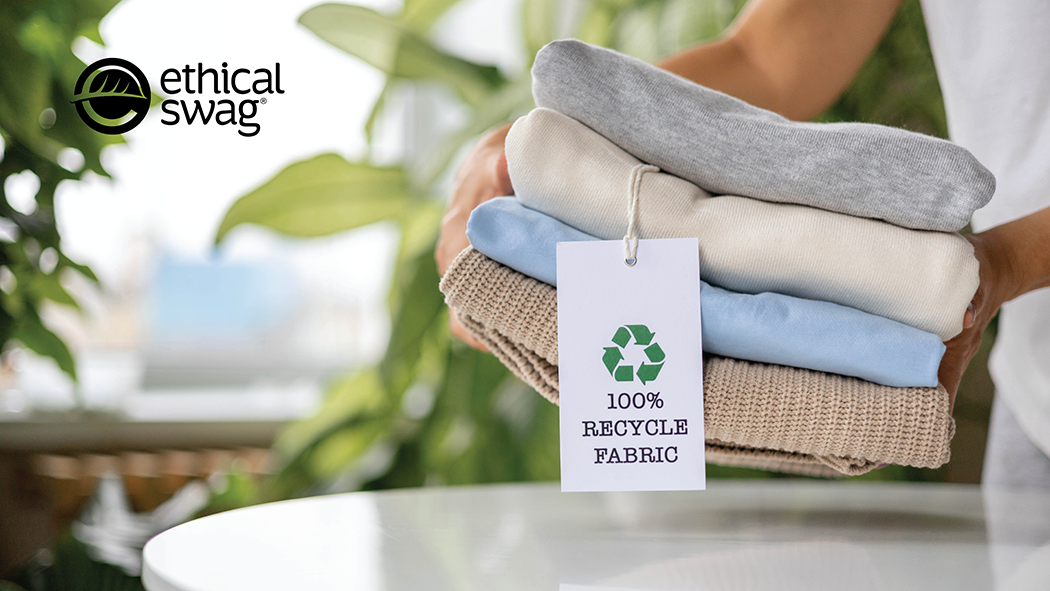
When someone says “swag,” images of t‑shirts, hoodies, tote bags, or hats might pop into your head branded goodies that lighten a mood and build brand awareness. But what if your swag could do more than advertise your logo? What if it could promote sustainability, fairness, and long‑term impact?
That’s where custom apparel meets ethical fashion. It’s not just about printing your brand on a blank T‑shirt it’s about:
Choosing sustainable materials (e.g., organic cotton, recycled polyester, low‑impact dyes).
Working with manufacturers that pay fair wages and maintain safe, transparent labor practices.
Adopting environmentally conscious printing and packaging practices.
The result? Swag that feels good in hand and good in heart.
At Ethical Swag, we call this “smart swag.” It’s about physical quality and intangible value: trust, responsibility, and brand integrity.
The Rising Demand for Ethical Swag
Conscious Consumers & Employees
Today’s audiences, from customers to employees, are more aware than ever. People want to support brands that reflect their beliefs. When you offer ethical custom apparel, you aren’t just giving away merchandise, you’re offering a statement: “We care about the planet and the people who make our stuff.”
That resonates. Whether it’s a nonprofit handing out conference tees, a startup gifting hoodies to team members, or a retail brand launching an eco‑line ethical swag builds affinity, pride, and loyalty.
ESG & Corporate Responsibility
In today’s business landscape, Environmental, Social, and Governance (ESG) goals aren’t just buzzwords, they’re foundational to how responsible companies operate. Whether it’s through ESG policies, Corporate Social Responsibility (CSR) initiatives, or B Corp certification, more and more organizations are embedding sustainability and equity into the core of their brand identity.
Swag is no exception. It’s easy to overlook the impact of promotional apparel, but every T‑shirt, hoodie, or tote you hand out is a direct reflection of your company’s values. Choosing ethically made custom apparel shows your stakeholders, employees, customers, partners, and investors that you’re not just talking the talk. You’re building systems of integrity into every detail of your brand, including your merchandise.
For B Corps and other impact-driven companies, ethical swag becomes part of your measurable action. It aligns with supplier diversity goals, supports fair labor practices, reduces waste, and enhances transparency in your supply chain. It’s also a practical way to engage employees in your mission, by giving them items they’re proud to use and wear.
Choosing ethical apparel helps your company meet ESG reporting requirements, reduce reputational risk, and create swag that supports rather than contradicts your social and environmental commitments.
Longevity & Quality
Here’s the truth: swag only works if people want to keep it. Fast-fashion style giveaways might be cheap upfront, but they often end up in a donation pile or landfill before the season is over. That’s not just a waste of materials, it’s a waste of opportunity.
Ethical custom apparel is built to last. By focusing on high-quality, durable fabrics, thoughtful design, and responsible production, you create branded items that people actually want to wear again and again. And the longer your gear stays in circulation, the more value it delivers both for your audience and your brand.
Consider the difference: a well-fitted organic cotton tee with clean branding might be worn for years, while a flimsy shirt with a loud logo fades and stretches after a few washes. The former builds brand loyalty and affinity; the latter just adds to the waste stream.
When you invest in quality, you reduce environmental impact, minimize waste, and increase the return on every dollar spent. It's not just smarter, it’s more aligned with the kind of brand people want to support.
What Makes Apparel “Ethical”? Key Pillars to Evaluate
Ethical apparel goes beyond a clever logo or stylish cut, it’s about how that item was made, who made it, and what happens when it’s no longer needed. At Ethical Swag, we evaluate every product we offer through a clear lens of impact, transparency, and integrity. Here are the core pillars we look for and encourage you to ask about before committing to a swag vendor or custom order:
Sustainable Materials
The materials in your apparel matter. They impact ecosystems, water usage, carbon emissions, and the health of communities. Ethical materials prioritize renewal, regeneration, and responsibility.
Organic Cotton: Grown without synthetic pesticides, fertilizers, or GMOs. Organic cotton farming supports soil health, uses significantly less water, and reduces toxic runoff that harms nearby waterways and communities. It's also gentler on the skin and the planet.
Recycled Fibers: Using materials like recycled cotton, polyester from post-consumer plastic (rPET), or blended textile waste diverts tons of material from landfills and oceans. It also uses fewer resources than creating virgin materials with less water, energy, and carbon output.
Bamboo & Hemp: Fast-growing, renewable resources that require less water and fewer pesticides. Bamboo also has natural antimicrobial properties, making it a smart option for activewear and loungewear.
Low-Impact or Natural Dyes: Conventional dyeing is one of the most polluting steps in textile production. Ethical apparel uses dyes that are non-toxic, biodegradable, and water-efficient. Some brands even use plant-based or mineral dyes.
Certifications to Look For:
GOTS (Global Organic Textile Standard): Covers the entire textile supply chain and ensures organic fibers and responsible social practices.
OEKO-TEX®: Ensures textiles are free from harmful substances.
Recycled Claim Standard (RCS) or Global Recycled Standard (GRS): Verifies recycled content and responsible production practices.
Choosing certified materials helps build transparency and trust into your swag program from the start.
Fair Labor & Transparent Supply Chains
Behind every garment are the hands that made it. Ethical swag respects those hands.
Living Wages & Safe Working Conditions: Workers must be paid fairly, not just minimum wage and protected from unsafe, exploitative conditions. Ethical apparel supports factories that offer healthcare, worker protections, and family-supporting wages.
Traceability: Ethical sourcing means knowing where your products are coming from. Can your vendor tell you where the cotton was grown, who sewed the garments, and under what standards they were made? If not, that’s a red flag.
Ethical Auditing: Independent social audits help verify compliance with labor laws and international standards. Look for third-party certifications and factory assessments that evaluate labor practices, workplace safety, and worker wellbeing.
Support for Local or Regional Supply Chains: When possible, sourcing closer to home reduces carbon impact and helps support local economies. It also shortens lead times and boosts supply chain resilience.
Choosing ethically made apparel isn’t just good ethics, it’s smart risk management and brand stewardship.
Low-Impact Production & Packaging
Every step in the production process from spinning yarn to final delivery has environmental consequences. Ethical apparel minimizes those impacts wherever possible.
Efficient Cut-and-Sew Processes: Reducing fabric waste through smarter design, pattern efficiency, and upcycling scraps.
Water- and Energy-Efficient Manufacturing: Choosing factories that use closed-loop water systems, solar or renewable energy, and lean manufacturing processes.
Non-Toxic Printing: Avoiding PVC-based inks and opting for water-based, phthalate-free, or soy-based printing alternatives.
Eco-Friendly Packaging: Say goodbye to single-use plastic. Choose apparel that comes in packaging made from recycled paper, compostable mailers, or reusable garment bags.
Carbon-Conscious Shipping: Prioritizing local production partners or consolidated shipping methods to cut emissions. Some suppliers even offer carbon-offset programs.
Every design and delivery decision adds up. Small shifts like using kraft paper wrap instead of polybags can significantly reduce waste and emissions at scale.
Durability and Lifecycle Thinking
Longevity is sustainability. If swag gets tossed after one wear, it’s not just wasteful it’s a missed opportunity for meaningful brand connection.
Built to Last: Ethically made apparel tends to use higher-quality stitching, durable fabrics, and timeless cuts so pieces don’t just survive the season, they become wardrobe staples.
Timeless Design: Less trend-chasing, more lasting value. Apparel that’s clean, inclusive, and well-fitting is more likely to be worn repeatedly and cherished.
Repairable and Recyclable: Ethical fashion asks, what happens next? Some suppliers design with recyclability in mind, offer take-back programs, or work with partners to repurpose old swag into new goods.
End-of-Life Planning: Forward-thinking swag considers how items will be disposed of. Can it be recycled? Composted? Upcycled? If not, how can that be improved next time?
When these pillars come together; sustainable materials, ethical labor, responsible production, and circular design you’re no longer distributing “stuff.” You’re offering swag that actually matters: thoughtful, useful, aligned with your values, and better for the planet.
Designing Custom Apparel: From Idea to Impact
Creating ethical custom apparel is more than choosing a shirt style and pushing print. It’s a process and here’s how we recommend doing it, step by step:
1. Define Your Goals & Audience
Ask yourself:
Who will wear this? Employees, customers, event attendees?
What’s your intention? Brand awareness, team unity, conference giveaway, retail line?
Do you want to make a statement about sustainability or social impact?
Getting clarity here shapes the rest of the process.
2. Choose Materials & Suppliers Thoughtfully
Based on your goals, choose materials that reflect your values. If sustainability is a key message, go for organic cotton or recycled fabrics. Then, vet your suppliers carefully: ask about labor practices, certifications, and transparency.
At Ethical Swag, we only partner with factories that meet rigorous ethical and environmental standards. We also prioritize local or regionally nearby suppliers when possible, reducing shipping emissions and supporting nearby economies.
3. Design with Purpose
Keep it minimal and timeless so people will actually wear the gear beyond one event.
Ensure sizing is inclusive and offers a good fit across body types. Inclusive sizing is more than good ethics, it's good business.
Use design elements that reflect your brand with subtlety. Over-the-top prints often date quickly; classic designs have more longevity.
4. Print & Produce Responsibly
Choose printing or embroidery methods that minimize waste (e.g., water-based inks, digital printing rather than screen printing when appropriate).
Review packaging options. Avoid single-use plastic, opt for recycled kraft bags or compostable wraps.
Plan for realistic lead times ethical production often involves fair wages, fewer shortcuts, and more careful workmanship.
5. Communicate Your Story
When you distribute custom apparel, include a note or hang‑tag describing its ethical origins, e.g., “Made with organic cotton in a fair‑wage factory,” or “Printed with water‑based inks.”
That transparency builds trust. It turns swag from “free merch” into an experience rooted in purpose.
Benefits for Brands: Why Ethical Swag Makes Business Sense
Authentic Brand Identity
Consumers and collaborators can sniff out token gestures from miles away. Ethical swag proves you mean what you say. It strengthens brand identity, especially for companies positioning themselves as socially responsible or purpose-driven.
Employee & Team Engagement
Passing out high-quality, ethically made apparel to your team says: “We value you.” It builds pride, loyalty, and alignment especially important for companies building culture.
Long-Term Visibility & ROI
Because ethical apparel tends to be higher-quality and worn more often, your brand gets repeated visibility. A well-made hoodie or tote bag becomes a moving billboard for months, sometimes years.
Reduced Environmental & Social Risk
Cheap, unethical apparel isn’t just morally questionable. It also carries risks, reputational damage, environmental backlash, compliance issues. Ethical production mitigates those risks and future-proofs your brand.
Common Challenges & How to Overcome Them
Higher Unit Cost
Ethical apparel often comes at a higher upfront cost than fast-fashion alternatives. That’s real but it’s also a shift in mindset. You’re not buying throwaway merch. You’re investing in long-term brand value, environmental responsibility, and items people actually want to wear.
Our tip: Instead of mass giveaways, focus on curated, high-quality items that make an impact. Consider bundling (like a hoodie + reusable bottle + tote) to elevate perceived value. You can also reduce waste and increase satisfaction by letting people choose what they want which brings us to…choice-based gifting!
One size doesn’t fit all and one product rarely delights everyone. That’s why we offer choice-based gifting through our Pop-Up shop service as a built-in solution. It reduces the chance of unused items and creates a more personalized, impactful experience. Whether it’s for employee appreciation, client onboarding, or event attendees, your recipients get to select the item that suits their needs, size, and lifestyle.
Our Pop-Up Shop solution is a smart, scalable option. We build a custom-branded online store where your team, clients, or attendees can browse curated, pre-approved swag choosing only what they’ll actually use.
No over-ordering. No excess shipping. Just smart, made-to-order swag that gets used and loved. Fewer returns. Less waste. More joy.
Read our blog post on How to Set Up a Branded Pop-Up Shop in 5 Easy Steps
Longer Lead Times
Ethical production takes care. From sourcing to cut-and-sew, each step is done with intention and that requires more time than fast, off-the-shelf solutions.
Our tip: Plan ahead. We recommend building in at least 20 business days from confirmed order and payment to delivery, especially for custom apparel or large quantities. Need help navigating lead times? We’ll walk you through timelines, samples, and approvals with clarity and care.
Sizing & Fit Challenges
Smaller ethical manufacturers may have different sizing standards or more limited range than mainstream brands. That can make fit tricky if you’re not prepared.
Our tip: Order samples to test fabric, fit, and finish. Provide recipients with a clear size chart and offer inclusive sizing wherever possible. Better yet, let them choose their size through our Pop-Up Shop or gifting platform, removing guesswork entirely.
Real-World Use Cases: Where Ethical Swag Shines
Corporate Teams
Branded hoodies, polos, and tees that your team can actually wear proudly, not just in the office, but on the weekends. Combine with our Pop-Up Shop for onboarding or annual gifting that’s inclusive, size-accurate, and values-aligned.
Events & Conferences
Ditch the landfill-bound tote of random merch. Instead, give attendees access to high-quality, branded swag through a pre-event or post-event Pop-Up Shop. They pick what they want, and you eliminate overproduction and shipping waste.
Retail Brands & Product Launches
Launching an eco-conscious capsule or limited edition line? Use ethically made apparel with transparent sourcing and recycled materials. Our team can help you create a curated collection with full customization and responsible production.
Nonprofits & Social Enterprises
When your mission is rooted in social or environmental good, your swag should reflect that. Organic cotton, fair-trade factories, and responsible printing techniques send a clear message: your values are woven into every detail.
Ethical Apparel We Recommend
These custom apparel pieces are designed to reflect your brand’s values while being wearable, sustainable, and built to last perfect examples of what ethical fashion in swag should look like.
1. Nyack Organic Cotton Recycled Poly V-Neck T-Shirt - Unisex
Made from a soft blend of organic cotton and recycled polyester, this unisex v-neck is breathable, versatile, and designed to be worn often. It’s ideal for team apparel, event giveaways, or branded merchandise that prioritizes comfort and sustainability.
2. Buy One Give One Ankle Sock - Unisex
A small but powerful gesture, for every pair of these sustainable ankle socks purchased, another is donated to a local community member in need. Soft, unisex, and designed for everyday use, they make excellent low-waste, high-impact gifts.
2. Ottawa Pocket Hoodie - Unisex
This unisex hoodie is a go-to piece for cozy, daily wear made with sustainable materials and designed for maximum comfort. Perfect for employee gifting, client appreciation, or retail-style swag that makes a statement and gets worn on repeat.
3. Jed Organic Cotton Recycled Poly Polo Shirt - Unisex
For a polished look without compromising your values, the Jed Polo combines organic cotton and recycled poly for a sleek, breathable feel. Great for conferences, uniforms, or client-facing teams that want to look sharp and stay sustainable.
4. Organic Recycled Raglan Long Sleeve T-Shirt - Unisex
This unisex long sleeve is lightweight and adaptable ideal for layering in transitional seasons. Made with recycled and organic materials, it’s a stylish option for swag that’s wearable well beyond a single event.
5. Full-Zip Eco Sherpa Cozy All-Seasons Jacket
A premium piece for cooler months or higher-end gifting, this sherpa jacket combines warmth with sustainable construction. It’s perfect for leadership retreats, client gifts, or team gear that truly stands out.
6. Dad Cap Certified Organic Cotton - Unisex
Caps are wearable across seasons and styles and this one’s made from certified organic cotton, making it a great accessory that promotes your brand and your commitment to sustainability.
Why These Items Matter
Designed to Be Worn Often : These aren’t throwaway tees. They're designed with comfort, fit, and everyday style in mind so recipients want to wear them again and again.
Sustainable and Ethical : Every item uses eco-conscious materials like organic cotton, recycled fibers, or hemp, and is produced with fair labor in mind.
Brand-Forward, Values-Driven : Each piece supports brand visibility without compromising ethics proving that style and responsibility can go hand in hand.
Perfect for Pop-Up Shops & Choice-Based Gifting : These apparel pieces work beautifully in our customizable pop-up shops, giving people the option to select their size and style ensuring fit, reducing waste, and increasing overall satisfaction.
How to Measure Success: Beyond Downloads & Likes
Ethical swag isn’t just about handing out stuff it’s about building impact. Here are some meaningful metrics and signals to gauge success:
Wear rate: Are people wearing the gear beyond the first week? That indicates quality and usefulness.
Longevity: How many times is a garment used before disposal? Long life = less waste.
Brand visibility: How many “real-world billboards” does your swag create? Are people wearing or carrying items where others can see them?
Feedback & sentiment: Do recipients say the gear feels good, fits well, and reflects your values?
Supply chain transparency: Able to trace origins, labor practices, materials used, and environmental impact.
Waste reduction & circularity: Are you reducing packaging waste? Are you offering recycling or upcycling for old swag?
Why Ethical Custom Apparel Is a Worthy Investment
Custom apparel doesn’t have to be cheap, forgettable merch. When done thoughtfully, it becomes a strategic tool for brand building, social responsibility, and lasting impact. Ethical custom apparel gives you high-quality, meaningful swag that people want to wear while honoring people and the planet.
At Ethical Swag, we believe that every piece of apparel tells a story. And with the right choices from materials to manufacturing to messaging that story can be a powerful one.
Frequently Asked Questions (FAQ)
Q: Isn’t ethical apparel always way more expensive, how can I keep costs down?
A: Ethical apparel often has a higher upfront cost, but you don’t necessarily need massive volume. Focus on quality over quantity, fewer pieces, higher perceived value. Consider bundling items (e.g., hoodie + tote) to create perceived value. Over time, meaningful, high‑quality pieces yield better ROI than cheap, disposable swag.
Q: How can I verify that a supplier is truly ethical and sustainable?
A: Ask for certifications (e.g., GOTS, OEKO‑TEX®), ask for documentation or audit reports, request transparency on labor practices, and if possible visit the facilities or work with trusted partners. Ethical supply chains often involve traceability from raw material to finished product.
Q: What kinds of materials should I avoid if I’m aiming for sustainability?
A: Avoid conventional cotton grown with heavy pesticide and water use, polyester made from virgin fossil-fuel-based fibers, and dyeing processes that use toxic chemicals and generate wastewater. Also avoid excessive single-use plastic packaging.
Q: Are there printing or labeling methods that are more sustainable?
A: Yes. Water‑based inks, digital printing techniques, and low‑impact dyes reduce chemical use and environmental harm. Embroidery can also be durable and long-lasting. Packaging in recycled or compostable materials helps complete the sustainability circle.
Q: How can I ensure my custom apparel truly reflects my brand’s values and resonates with my audience?
A: Transparency is key. Share the story behind your apparel: materials, sourcing, labor practices. Make sizing inclusive, design timeless, and choose quality so people actually use the gear. Engaging with your audience about why you chose ethical apparel helps build brand trust and alignment.
Action‑Inspired Tips: How to Get Started with Ethical Swag
Audit your needs: Make a simple list! What items you need, who will wear them, and what values you want to reflect.
Source consciously: Look for suppliers with clear ethical credentials. Ask questions about materials, labor, and environmental impact.
Design with purpose: Keep it timeless, inclusive, and functional not just trendy or loud.
Communicate your story: Add tags or notes about sustainability let people know why this piece matters.
Plan ahead: Ethical production needs lead time. Order samples first, run small batches, iterate.
Track impact: Survey wear rates, get feedback, and measure visibility and perceived value.
By following these steps, you transform swag from a simple giveaway into a meaningful extension of your brand one that speaks to values, quality, and purpose.
Ready to Bring Ethical Apparel Into Your Swag Strategy?
If you're looking to align your branded apparel with your values and create swag people actually want to wear we're here to help. From sourcing to design, pop-up shops to choice-based gifting, we make it easy to do swag the sustainable way.
Reach out to us at info@ethicalswag.com or Book a Free Swag Project Intro Call to chat with our team.
Let’s make something thoughtful together.Sswag that feels good, does good, and gets used.