



For decades, advertising tried to hand women a narrow role and call it an aspiration. But women pushed back, reshaped culture, and forced marketing to evolve from telling people who they should be to reflecting who they already are. That shift did not only show up in big campaigns like Dove’s Real Beauty or Always’ Like a Girl. It also showed up in tangible, shareable symbols like the pink ribbon and slogan tees that helped movements travel farther, faster. Today, the same lesson applies to branded merchandise: the items you put into the world are not neutral. They communicate what you value, who you include, and whether your brand’s actions match its message.
Why this conversation still matters
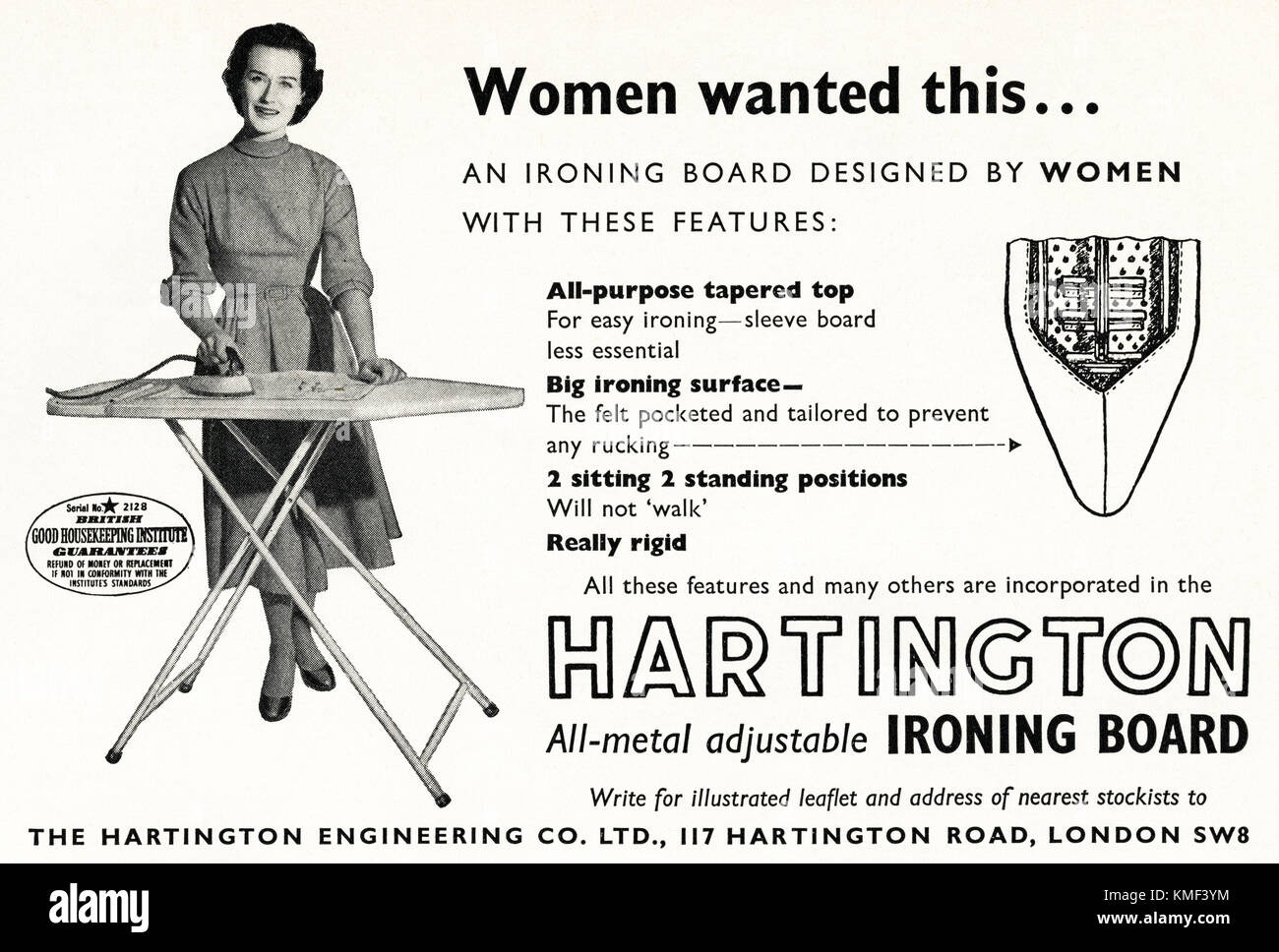
As highlighted in Terry O’Reilly’s Under the Influence episode about how advertising invented the “Happy Homemaker,” post-war marketing often promoted a narrow script for women and treated it like the default setting for modern life. Women were expected to see themselves in the roles ads repeated: the perfect housewife, the devoted mother, the ever-smiling secretary. Brands tried to define who women should be. But women had other ideas. They questioned the messaging, rejected the limitations, and reshaped the marketplace. Marketing did not just have to sell to women. It had to actually understand them, or risk becoming irrelevant.
Quick answer for teams building brand experiences
Women changed marketing by challenging stereotypes, demanding representation, and shifting expectations from “aspirational perfection” to authenticity, inclusion, and respect. The practical takeaway for modern brands is simple: what you put into the world must match what you claim to value. That includes your merchandise program, because physical products are one of the most visible forms of marketing action.
The shift: from prescribing identity to reflecting reality
As women’s roles evolved, so did their expectations of marketing. The most meaningful work stopped prescribing an identity and started reflecting lived reality. Dove’s Campaign for Real Beauty, launched in 2004, is a frequently cited example of this transition toward more inclusive representations of beauty. Always’ Like a Girl campaign (2014) is another landmark example of reframing language that had been used to diminish girls and turning it into a statement of confidence. These were not just marketing wins. They were cultural signals, shaped by changing expectations and by people who were tired of being flattened into stereotypes.
This is also where a practical truth emerges for modern brand builders: audiences can tell when a message is performative. You can say “we support confidence,” “we support equality,” “we support inclusion,” but the world will look for evidence. And evidence is often found in the details: policies, partnerships, hiring, and yes, the everyday items you hand out at onboarding, events, customer moments, internal milestones, and community initiatives.
When a movement becomes wearable
Sometimes cultural change shows up in ways that are surprisingly tangible. Not because a product creates a movement on its own, but because merchandise can help people recognize each other, signal shared values, and start conversations in public. Done well, it turns belief into visibility. Done carelessly, it turns belief into a commodity. The difference is intention, transparency, and follow-through.
The pink ribbon: breast cancer awareness and the power of a symbol
The pink ribbon became one of the most recognizable symbols of breast cancer awareness in the early 1990s, helped by distribution through consumer channels and coordinated campaigns that made it easy for people to participate publicly. Pins, apparel, and other merchandise helped bring a once-private, often stigmatized issue into public conversation, encouraging solidarity, support, research funding, and earlier detection awareness. Wearing pink became a visible sign of care and action, helping awareness travel beyond any single organization.
If you are writing about the pink ribbon, it is also worth acknowledging that the symbol’s history includes criticism of “pink-washing,” where companies benefit from the association without meaningful impact. That nuance matters because it connects directly to the modern question brands face: are we using merchandise to amplify a cause responsibly, or to borrow credibility without accountability?
“This is what a feminist looks like”: visibility, backlash, and sourcing accountability
In the early 2010s, the Fawcett Society partnered with ELLE to redesign and distribute the “This is what a feminist looks like” T-shirt, and prominent public figures wore it, pushing feminism into more mainstream visibility. The shirt also became a case study in what happens when message and manufacturing collide. The campaign faced scrutiny and allegations about supply chain ethics, prompting responses that emphasized the importance of responsible production choices when values are the headline. That is the point every modern brand should keep close: if your merchandise carries a values statement, your sourcing has to be part of the story, not an afterthought.
Choice and a reflection of values
Marketing is not just what you say. It is what you do. Branded merchandise is one of the most literal ways a brand can back up its messaging because it is physical, visible, and used in real life. When products are made responsibly, designed inclusively, and chosen with intention, they do more than “make an impression.” They make values visible.
Here is the practical lens: every product communicates, even when you do not intend it to. The material says something about waste. The fit says something about who you imagined wearing it. The supplier story says something about what corners you were willing to cut. The packaging says something about whether convenience won over responsibility. The accessibility of sizes, the gendered styling, the language on the item, the way you offer choice, all of it signals who belongs.
For teams building employee onboarding kits, client welcome boxes, event merchandise, milestone gifts, and community campaigns, this is where the work becomes real. Sustainable, ethical, and inclusive choices are not a trend. They are a signal of what a brand prioritizes, who it includes, and what it is willing to stand behind when no one is watching. The right products do not just carry a logo. They carry a point of view.
What This Means
Values-driven merchandise is not a niche request anymore. It shows up in procurement requirements, DEI conversations, employer brand expectations, and partner standards. In practice, this looks like questions such as: Can we document materials and certifications? Can we offer size-inclusive apparel? Can we reduce single-use packaging? Can we choose items that people actually keep and use? Can we avoid products that create waste or land in drawers? Can we align the story we tell in Toronto, Vancouver, Calgary, Montreal, New York, Austin, Seattle, San Francisco, Chicago, or London with the realities of our supply chain?
In other words, people are not just evaluating your message. They are evaluating your operations. Merchandise sits at the intersection of both.
Practical checklist: how to build merchandise that holds up to scrutiny
Start with the outcome, not the object: onboarding experience, retention, community, client loyalty, event utility, internal culture.
Choose usefulness over novelty: items people will keep, use, and want in their daily routine.
Design for inclusion: size range, gender-neutral options, accessible color choices, and language that welcomes.
Reduce waste by default: avoid single-use packaging and “just because” items that will be discarded.
Ask sourcing questions early: factory standards, materials, certifications, and traceability.
Offer choice: let recipients pick between options that fit their life.
Tell the story honestly: do not overclaim. Share what you know, and be clear about what you are improving.
FAQ’s
Q: How did advertising shape the “housewife” stereotype?
A: Post-war advertising widely promoted an idealized domestic role for women, reinforcing the idea that household purchasing and home life were women’s primary domain, and building entire consumer strategies around that identity.
Q: When did Dove’s Real Beauty campaign start?
A: Dove’s Real Beauty initiative is commonly dated to 2004, and the brand has continued referencing 2004 as the launch point for its Real Beauty pledge.
Q: When did Always launch Like a Girl?
A: Always’ Like a Girl campaign is widely documented as launching in 2014 and is often analyzed as a turning point in mainstream advertising about girls’ confidence.
Q: What is the history of the pink ribbon?
A: The modern pink ribbon for breast cancer awareness was popularized in the early 1990s through coordinated campaigns that distributed ribbons widely and made public participation simple and visible.
Q: What can brands learn from the feminist T-shirt campaign?
A: If a product carries a values message, the sourcing must support it. The Fawcett Society’s responses around the “This is what a feminist looks like” T-shirt highlight how quickly credibility can be tested when manufacturing ethics are questioned.
Q: How do we make sure our merchandise does not feel tokenizing?
A: Connect merchandise to a real program, not just a moment. Prioritize usefulness, inclusivity, and responsible sourcing. Share the “why” and the impact clearly, and avoid exaggerating claims you cannot prove.
Q: What is the connection between women changing marketing and branded merchandise?
A: Women pushed marketing toward authenticity, inclusion, and accountability. Branded merchandise is marketing in physical form, so it must meet the same standards: reflect real people, avoid stereotypes, and align actions with values.
Q: Why does merchandise matter more than a campaign?
A; Campaigns can be forgotten. Products live in people’s daily routines. A thoughtfully chosen item becomes a repeated, real-world brand touchpoint, and it also becomes evidence that your values are more than copy.
Q: What makes merchandise “values-driven” instead of performative?
A: Values-driven merchandise is designed with people in mind, sourced responsibly, sized inclusively, built to last, and paired with transparent information about materials and production. Performative merchandise relies on slogans while ignoring sourcing, waste, or who is excluded.
Summary
Women changed marketing by refusing to accept narrow roles and demanding representation, respect, and authenticity. Modern campaigns like Dove’s Real Beauty and Always’ Like a Girl reflect that shift, while movement merchandise like the pink ribbon and feminist slogan tees show how physical symbols can help ideas travel. The modern takeaway is straightforward: merchandise is not just an add-on. It is visible proof of your brand’s priorities. When your products are useful, inclusive, and responsibly sourced, they reinforce trust. When they are careless or performative, they erode it.
If you are planning an onboarding kit, client welcome experience, event merchandise, or a year-round merchandise program and you want it to reflect your values without adding complexity, reach out to Ethical Swag at [email protected] or book a Free Swag Project Intro Call.
Credible sources
Terry O’Reilly, Under the Influence: “The Happy Homemaker: How Advertising Invented the Housewife” (episode listings). Dove: Real Beauty pledge and 2004 launch reference. Dove Campaign for Real Beauty overview and launch date context. Academic analysis referencing Always Like a Girl (2014) and campaign framing. Breast Cancer Action: background on pink ribbon popularization. TIME: overview of awareness ribbons and pink ribbon popularization timeline. Fawcett Society statement regarding the ELLE collaboration and production context.